Meet the new publisher at Australia’s largest indie, Allen & Unwin.


You became publisher at Allen & Unwin last year. How did this come about?
I was painting my house! At that point, I was taking a break from work, spending time with my dog, who was getting old, and I just thought I’d sit for a bit and see what happened. And then I got a phone call. I have to say, I always wanted to work for Allen & Unwin, but I just never thought I’d get the opportunity. So it was just unbelievable that it came about.
What attracted you to Allen & Unwin in particular?
I think their list is incredible. They’re also independent. Allen & Unwin is known for fearless publishing and nurturing new writers.
You took over from Jane Palfreyman, who’d been publisher there for many years before moving to Summit. How did it feel stepping into those shoes?
I’ve known Jane a really long time, and I’m a huge admirer of her and what she’s achieved. She got incredible authors, and I got to step in and have the opportunity to work with some of them. It’s been fun.
What are you excited about doing in this new chapter?
Essentially, getting started in the first year, my aim was to have a smooth transition for the authors. Now going into year two, it’s more about what I want to publish. My brief is literary, it’s literary/commercial and it’s literary non-fiction. I’m excited about finding new voices and continuing to publish the fantastic cohort of Allen & Unwin authors.
You got your start in magazines. Could you tell us about that?
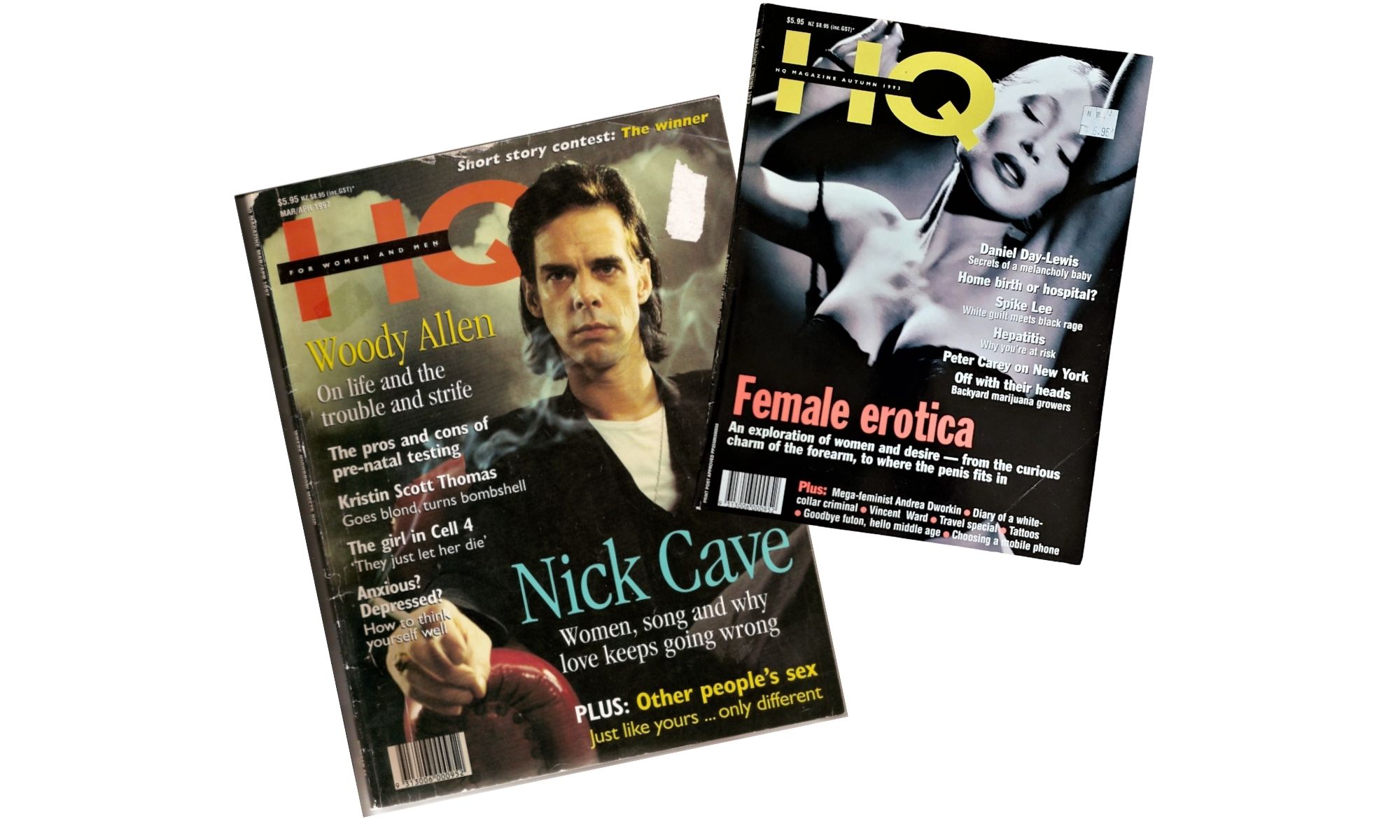
When I was at university, I wanted to work in magazines and in book publishing, and so I just went for jobs everywhere. I ended up doing a lot of freelance writing, and then got a job at [the publisher] Studio Magazines. From there, I went to Girlfriend, and then got my dream job at HQ Magazine, which was an arts, culture and general interest magazine. It was edgy and groundbreaking at the time, a bit New Yorker-ish, a bit Vanity Fair—well, at least we hoped, but an Australian version.
It also had a prestigious short story competition, and it was great to have that interface with writers—established writers, emerging writers, short story writers. But I knew that the party was nearly over for me in magazines and that magazines more generally were going to become a lot harder to work in. Pacific Publications, which had bought HQ, closed.
So you made a jump into book publishing. How did that come about?
I was just really lucky, because we had been doing an HQ issue on the Sydney Writers Festival for a couple of years, publishing Australian writers, profiling people in the publishing industry and various things. So I was already talking to a lot of people in publishing, and then the opportunity to be a non-fiction commissioning editor at Pan Macmillan came up, and it just seemed absolutely the right moment to do that.
My brief is literary, it’s literary/commercial and it’s literary non-fiction.
And you learned how to edit on the job?
Yes. At uni I studied literature, post-structural theory and postmodernism alongside communications studies. So I did learn how to edit on the job—first from editing law books, then magazines and onto non-fiction and fiction books.
You eventually moved up to the role of publisher of Picador, where you had some huge titles. One book that was a coup was Hannah Kent’s Burial Rites. Why did you want that book so badly?
Hannah is an absolutely extraordinary and gifted writer. I’m sure there were many other people who also thought this, but I just felt that I was meant to publish it. There were some strange moments in the acquisition process—lots of interesting synchronicities. But I just fell in love with the book. It was historical, based on real events. It was also set in Iceland, which was a bit more unknown, wasn’t as well-travelled back then. The prose was absolutely exquisite. I was just so passionate about it, and I guess Hannah could also see that. But it was intense. A lot of people wanted to publish it, both here and overseas, but it just felt—and it was—meant to be.
It was also a lucrative deal, covered widely in the press, pretty remarkable for a young debut author. Are these kinds of big deals still happening?
Yeah, they are happening. Maybe not as often, but they are. That was a big one—it was a worldwide auction and had lots of media coverage. I just tried my best to hide that I was going for it. (Laughs.)
I think it is harder to break as a debut at the moment, and I don’t have any particular view on why. But it’s certainly not something that would stop me. I love debuts, and I will continue to publish debuts. I mean, it’s loads of fun to work with a new author and help them get their first book out. You want to be able to do that long-term nurturing of somebody’s career. I admire publishers who do that, and I’ve tried to do that as well, where I can.
Did you have that ability to know what would work early on, or was it something that grew for you over time?
It’s tricky. You publish things that you love, and sometimes you publish things that you also have a strong instinct will be successful. I think it is an intuition, but it’s also something that you learn from experience. And there are ones that you love that maybe don’t do as well as you hope, but you learn a lot in that process anyway, and you still would publish them to this day. That’s not a reason not to publish them. I have always said, you know, even if a book just changes one person’s life, it’s been worth it.
What do you wish you’d known at the start of your career?
The emotional component of the job; you’ve been entrusted with something precious, and you’ll be in the trenches with the author, navigating the ups and downs of their books and their careers.
You also have extensive experience as an editor, including working freelance. Do you enjoy the editing process?
My number one love is structural editing. You’re always a little bit time poor when you’re in-house, you’re trying to do a lot of different things, but just working on the page is amazing.
Are there any common issues with manuscripts when it comes to structure?
First of all, I’d say that no first-time author is going to have all the tools in their toolbox. So they should never feel that structural feedback is a failure in any way, because it’s not. That being said, I think a big one is about telling and showing. It’s always show, don’t tell, and trying to get the balance right with that. But it’s a lot of fun helping someone identify their narrative threads, how to pull them together and how to deal with pace. Pace is always an interesting thing—sometimes it’s a matter of just getting rid of a paragraph and things move forward.
Do you have any advice for someone who wants to become an editor or a publisher?
Do things that interface with the industry because that shows you are keen to break into publishing. Things like volunteering at festivals, work for journals or as a bookseller. That experience helps because it is incredibly competitive out there these days, and it’s good grounds in terms of learning about how the industry works, its ecosystem and making those connections. It’s not a big industry. Everybody knows everybody, basically. So once you get that foot in the door, it’s pretty much up from there. Also, you don’t have to start as an editor to end up a publisher. There are plenty of brilliant publishers in Australia who didn’t come through editorial, who might have come through sales or some other way. There are many ways to get in.
You were also there for the founding of Ultimo Press in 2020, which has done amazing things in a short amount of time. How did that come about, and can you tell us a bit about the early days?
I had been freelancing during Covid, and when I saw the ad, I just thought, what an opportunity to be at the start of something in this moment. So I applied and I got the job, and suddenly I went from being in my pyjamas, working from home, to being at Ultimo. [Founder] James Kellow’s vision as a leader was inspiring, and that’s what got me on board. James had worked at Fourth Estate when he was younger, and he wanted to do something that sits between literary and commercial—that sweet spot that I also like to work in. And it was just fun in those early days of going, well, what are we going to be? How are we going to do it? And it was a sprint—quite exhausting but rewarding.
Two books you picked up, Hannah Bent’s novel When Things Are Alive They Hum and Kylie Moore-Gilbert’s memoir The Uncaged Sky, both touch on subjects that are highly personal to the writers. When working with authors on topics of a sensitive nature, how do you approach the editing process?
I, like many colleagues in the industry, have worked on books with authors who have experienced unfathomable tragedy or are writing about things that are very personal to them. I think it’s about showing up, listening and giving them the space to tell their story. With Kylie, for example, who is an amazing writer, she wanted the time to do a proper job, and we were aligned with that. And you can really see the quality in the writing.
What makes for a good working relationship between a writer and editor/publisher?
Frankness, trust. I always say it’s about serving the work.
What do you think Australian literature has going for it?
Australian authors have a willingness to go against convention, to be fearless. And voice, always voice. It’s exciting to have been working in publishing for the past twenty years and seen the explosion of Australian voices and the embrace of the reading public of Australian fiction. It’s so good that there are so many different publishers with different tastes in this country, and I think that’s the resilience and the robustness of the industry…
Do things that interface with the industry because that shows you really are to break into publishing.
Literary fiction has seen a worrying dip in sales. As a publisher working in the literary space, what do you think about this significant shift?
I think it’s swings and roundabouts, and the cost of living has affected the market. So I think that it’s mainly about that—not the rise in other genres, like romantasy. Literary fiction has always been its own thing, a whole spectrum of its own. And as a publisher, you keep publishing literary fiction because you’re always an optimist. And you keep publishing those voices because you believe in them. When these writers are contributing to culture, it has to be looked at from all those perspectives. It might not be their first book that hits, but their third or fourth one, and so it’s about the bigger picture.
What’s a book you’re excited about right now?
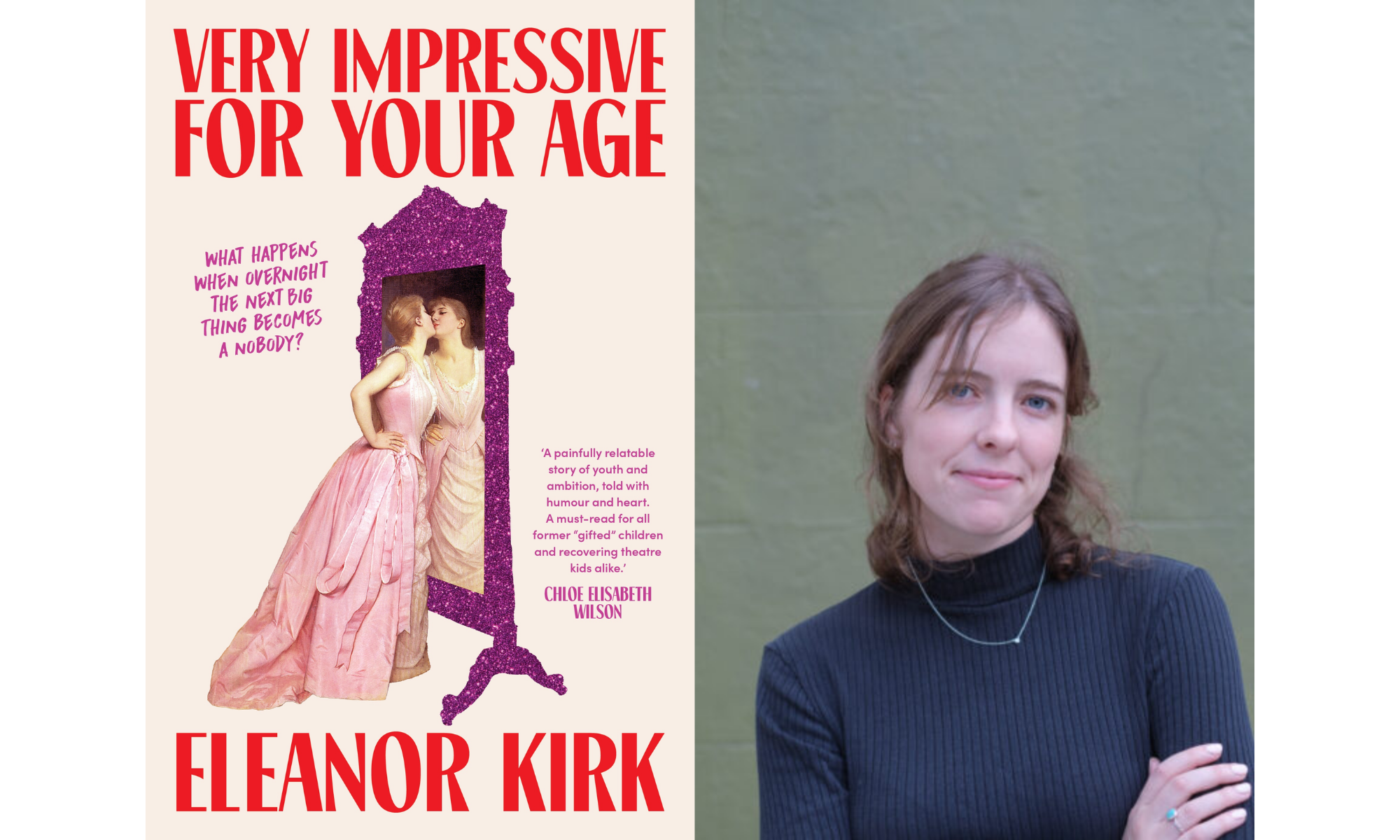
I love Eleanor Kirk. Her debut, Very Impressive for Your Age, is just out. She is an incredible new voice—she’s funny, she’s smart and it’s a great book.
If an aspiring writer wants to be published by Allen & Unwin, how can they go about it?
We have the Friday Pitch, where people can submit, which is the first stop. But for people looking to get published, there are lots of avenues these days. I was just at BAD Sydney Crime Festival, I also do ASA pitch sessions. I think these events are a really good way to get in front of editors and publishers. And there are some brilliant agents in Australia. If a writer secures an agent, that’s great for them.
What are you always on the lookout for?
I’m always on the lookout for original voices, a book with a strong hook that delivers not only beautiful writing but a page-turning read. And ultimately a book that says something about who we are and is universal. I also have a soft spot for historical fiction.
What do you wish writers knew about the publishing process?
There’s a whole team in-house championing your book—not just the publisher, but the editors, the sales team, the marketing and publicity teams—and anyone working in books is doing so because they really love books. And my advice is to read widely, read your peers, know who your reader is and start building your community.
What are your hopes for Australian publishing?
That Australian voices continue to thrive. Australian readers do embrace Australian authors, they love Australian stories, but we could always have more of that, you know?
This interview has been edited for clarity and concision.