An interview with legendary editor Hilary McPhee.


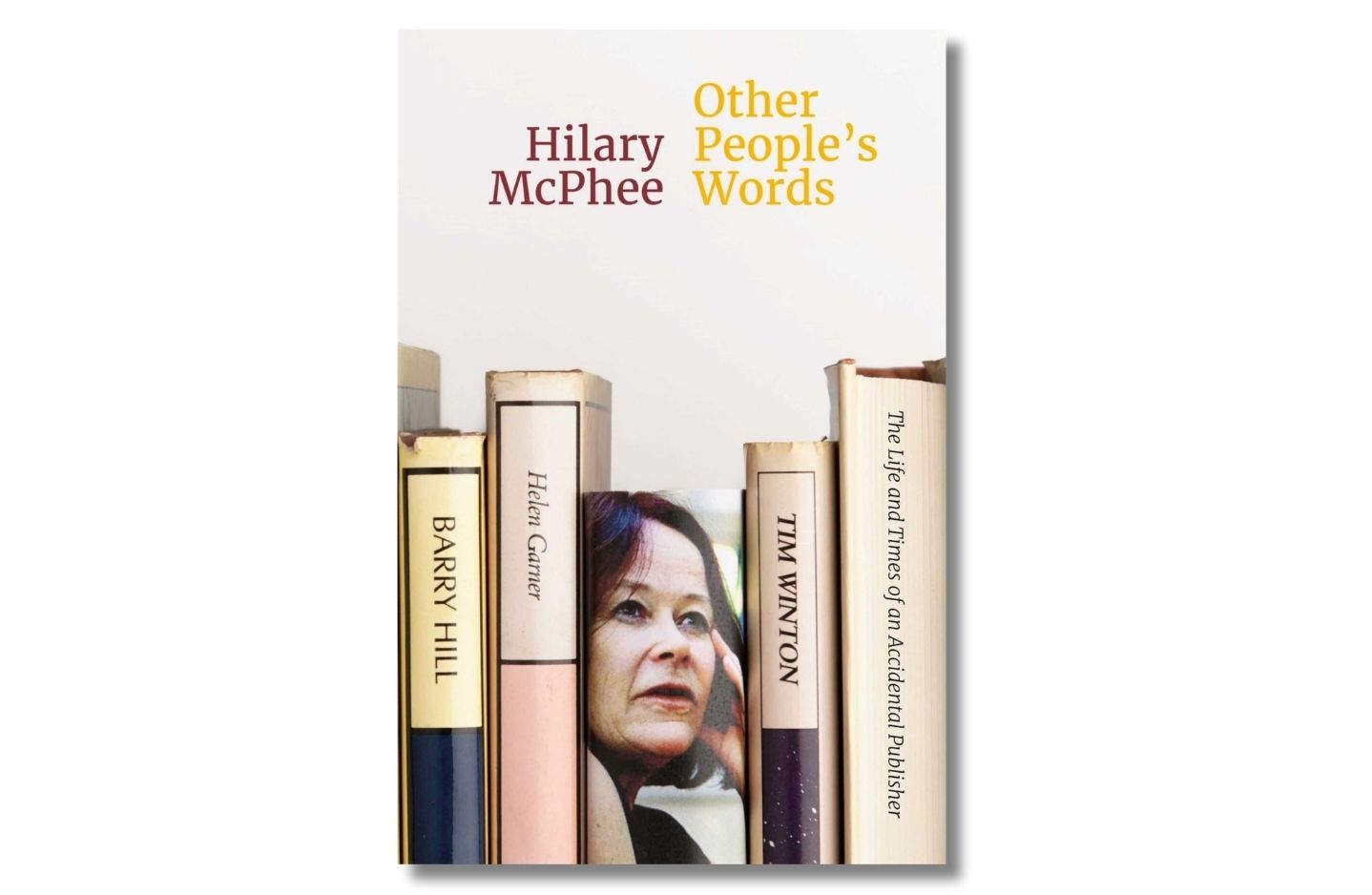
In her newly reissued memoir, Other People’s Words, Hilary McPhee describes how Australian authors long wrote under the looming shadow of Britain. In 1975, with her friend Diana Gribble, she set about to help change this. The two women, then in their early thirties, launched a publishing house that achieved cult status with a stable of authors including Tim Winton, Helen Garner, Drusilla Modjeska and Gerald Murnane.
On a phone call, the pioneering editor talked to me about the early days at McPhee Gribble, seeing the writers she worked with become household names and the controversial Garner book that ended her career in book publishing.
Books have played a big part in your life, as you outline in Other People’s Words. Could you tell us a bit about how you first got into reading?
I was in a lucky generation in lots of ways because there was no social media. I’m in my 80s now, and in the 1940s and 1950s we went to the library and we read books. I had a house full of books, and I had a mother who read, which was a great gift. She used to lend me books and they were often quite racy—Colette and Simone de Beauvoir. Well, Beauvoir wasn’t racy, but she was fabulous.
As a uni student in the 60s you worked for the literary magazine Meanjin during the time of its founder, Clem Christesen. What was that experience like?
It was such an interesting place. Clem Christesen was this irascible old bloke, even in those days. Though I suppose he was quite young, in his forties or fifties. He loved writing and loved the magazine. It was produced out of his love for it, really, and whatever help he could drum up, paying people like me very little to sort the subscriptions or help out otherwise. I loved being there for that year or two. I saw how magazines were physically produced—measured up, typefaces chosen, illustrations decided—all in the office. That set me on to publishing.
You write that you got a ‘sense of the Australian literary tradition as a struggle to be heard’ during your time there. Do you think that notion still stands?
Oh, I do indeed. Our voices here are very distinctive—that’s why the writing is so wonderful. A lot of Indigenous writing sits under that bracket. But people who write in their own idiom are very hard to place overseas. I’m talking like a publisher now, but things that are easily read overseas often have their rough edges cut off for international markets, and writers have to make their own decisions about this.
Subscribe to stay in the loop
Be the first to read new stories, discover publishing opportunities, and access resources. For people who love great writing.
A theme of your book is also about reckoning with Australia’s colonial history.
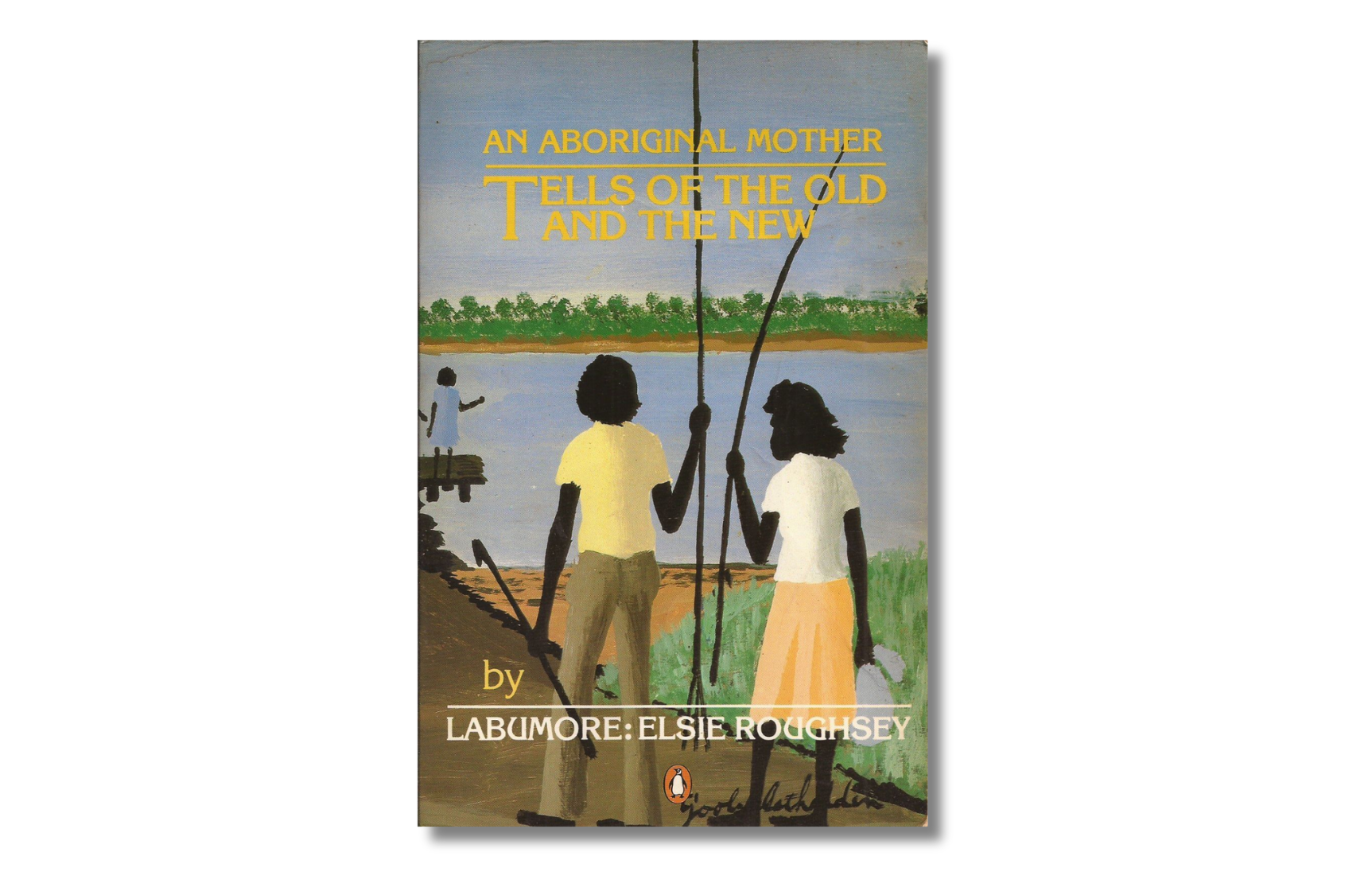
We published a lot into the Aboriginal world in those days at McPhee Gribble. A big one was Elsie Roughsey’s book. She was an amazing old girl. Wonderful. We got in terrible trouble because it was a book we published in translation. It would not have worked in her own lingo, so we did our best to make sure her original voice came through. It had a wonderful title, An Aboriginal Mother Tells of the Old and the New. It was very hard to publish, but we did it.
I’ve always admired publishers like Magabala Books for their Indigenous lists. They’ve done extraordinary work.
 You learned the ropes of editing by working in the industry, with a bit of trial and error. You talk about Gerald Murnane and your varying recollections about the editing process on his debut, Tamarisk Row. He thought you were too interventionist?
That was at my very first book publishing job at Heinemann. He never forgave me, ever, and still hasn’t.
He went on to work with you again. I think that story is a testament to the fact that editors learn so much on the job. What do you think makes for a good editor?
They have to have read widely—that’s essential—and have empathy. It’s very difficult being a writer. In my generation, some editors were brutal—marking manuscripts in pen, telling writers exactly what to do. At McPhee Gribble we were gentler. We edited in pencil so authors could rub things out if they hated them. We tried to have conversations before sending edits. We were careful with authors’ egos.
In my generation, some editors were brutal.
One of your first jobs in the book industry was at Penguin. The world you describe was quite different to today. What was it like to work in a male-dominated book industry?
We were patronised, and I’m sure women still are. But you have to work out your own ways of dealing with it. The thing that was great about McPhee Gribble was that there were two of us—we were a team. We’d argue, we’d have differences of opinion, but not over the books we were going to publish. It’s important to have support. When we travelled, we had a little gold star we’d hide in each other’s luggage, so you’d find it when you were in New York or London doing something difficult—particularly London, where we were always patronised. Women are very good at giving support—if they’re frank with each other. And we were very frank with each other, you know. We’d go to the office on a weekend and have a big row. (Laughs.) But that was a good thing.
How did the business partnership come about?
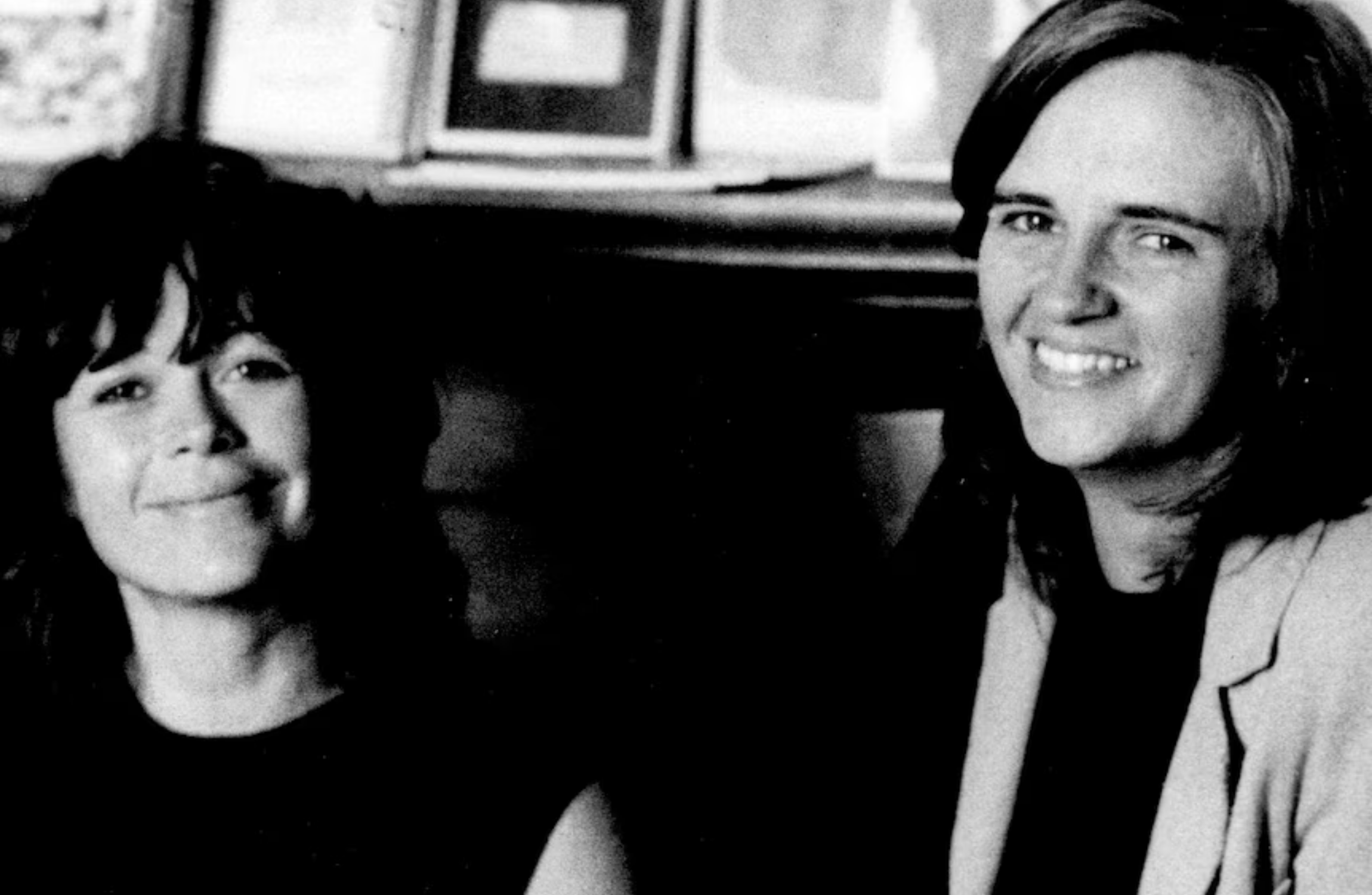
We met through the women’s movement. We were friends and we wanted to work together, and it didn’t really matter what we did. The idea for publishing and producing really started for me when I met Di. She had been working in advertising and knew about photographs and drawing up covers and things like that, and I knew about editing. We started by packaging up some books for Penguin, and then went off and did our own thing.
In some ways, the office you describe sounds a bit utopian.
It wasn’t utopian, let me tell you. It was cold, hot, noisy—not utopian at all.
More in the sense that you created a workplace that allowed you to do the work while also raising your children.
When they were very small, yes. When they got too adventurous—climbing out windows and appearing naked on the first floor, escaping from their childminder—they were sent to childcare very quickly. But for quite a while, we did have children in the office, and it was wonderful having them there. We had a nursery that they slept in and a marvellous woman who’d raised six children looking after them.
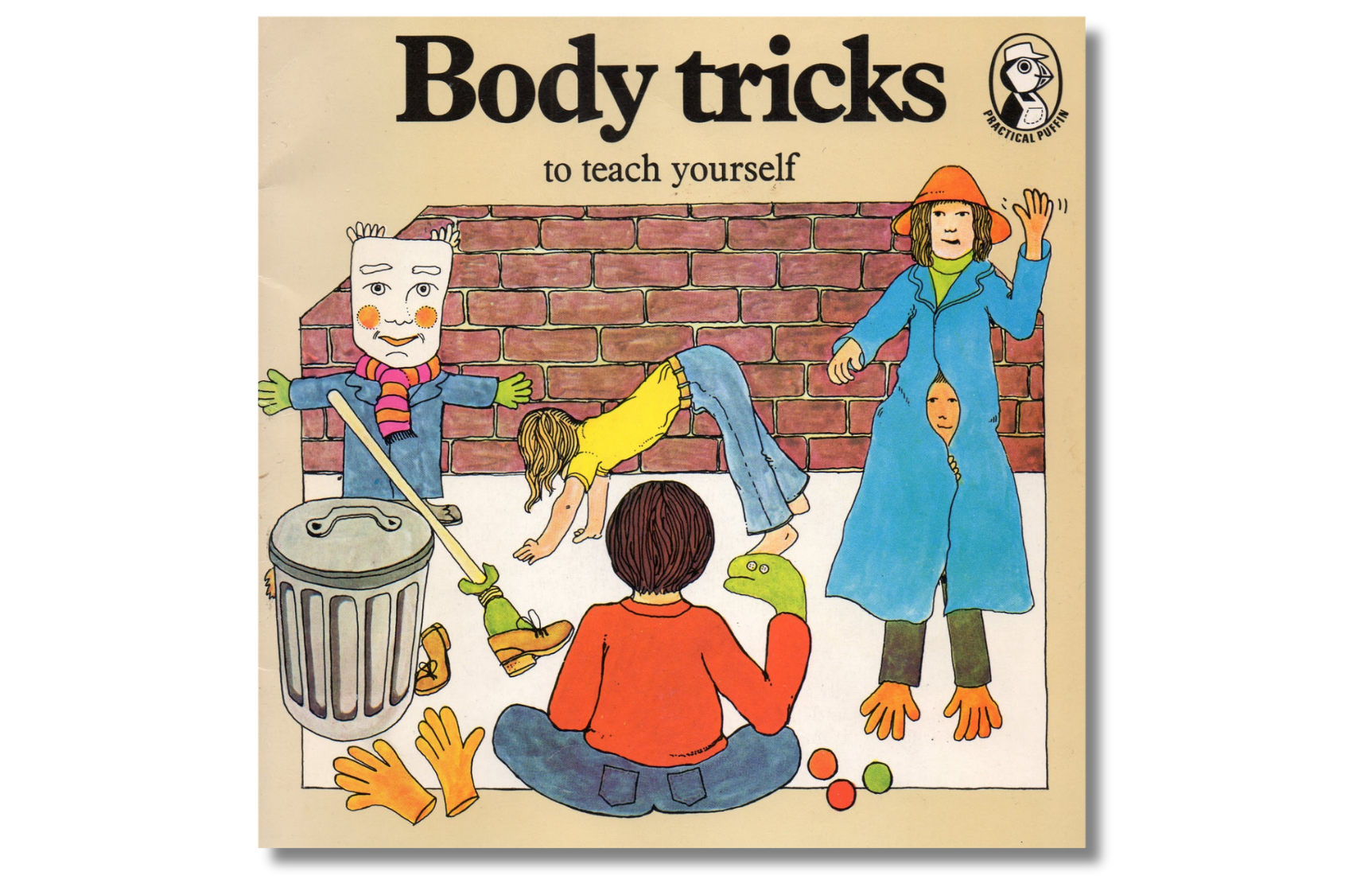
The publishing house also started with a project with Penguin, producing the Practical Puffin children’s series, which were sold around the world. Is this how you were able to get cash flow into the business?
Yes, exactly—that gave us a lifeline. Diana and I put money into the company, but not a lot. We came from very different backgrounds. I knew Di came from a rich background, and she knew I didn’t, and we always kept the money even and jointly funded things. We didn’t make huge profits ever, but in the beginning, you’re quite right, those little books bankrolled us. The Practical Puffins sold well—three million copies. Penguin benefited enormously, but it also helped us build McPhee Gribble.
Penguin not only benefited from the royalties but the work you did to develop and sustain local writing. They have published Tim Winton for some years now, for example. What has it been like to see an author like Winton grow such a big readership?
Allen & Unwin discovered Tim first, I must make that clear, and looked after him very well. But the big mistake they made was having a policy that they didn’t publish short stories, which hardly any publishers did in those days. And we said, short stories? We’ll publish them! And that means he’ll bring his novel to us next. So poor Allen & Unwin were very pissed off at themselves for a long time, I know. But we just read him and adored his writing—and adored him too.
I end my book going to a reading at Melbourne University in a dark theatre. And it was full of young people. I was so happy to be there with this audience, sure I was the oldest person in the room. When I got in the long queue with my copy of Juice, I finally got up to Tim and he didn’t look up. But when he saw my name on the Post-Its, he gave the best yell and hug. Oh, it was just fabulous. I hadn’t seen him for years, not since Cardigan Street [the old McPhee Gribble office].
Diana and I put money into the company, but not a lot.
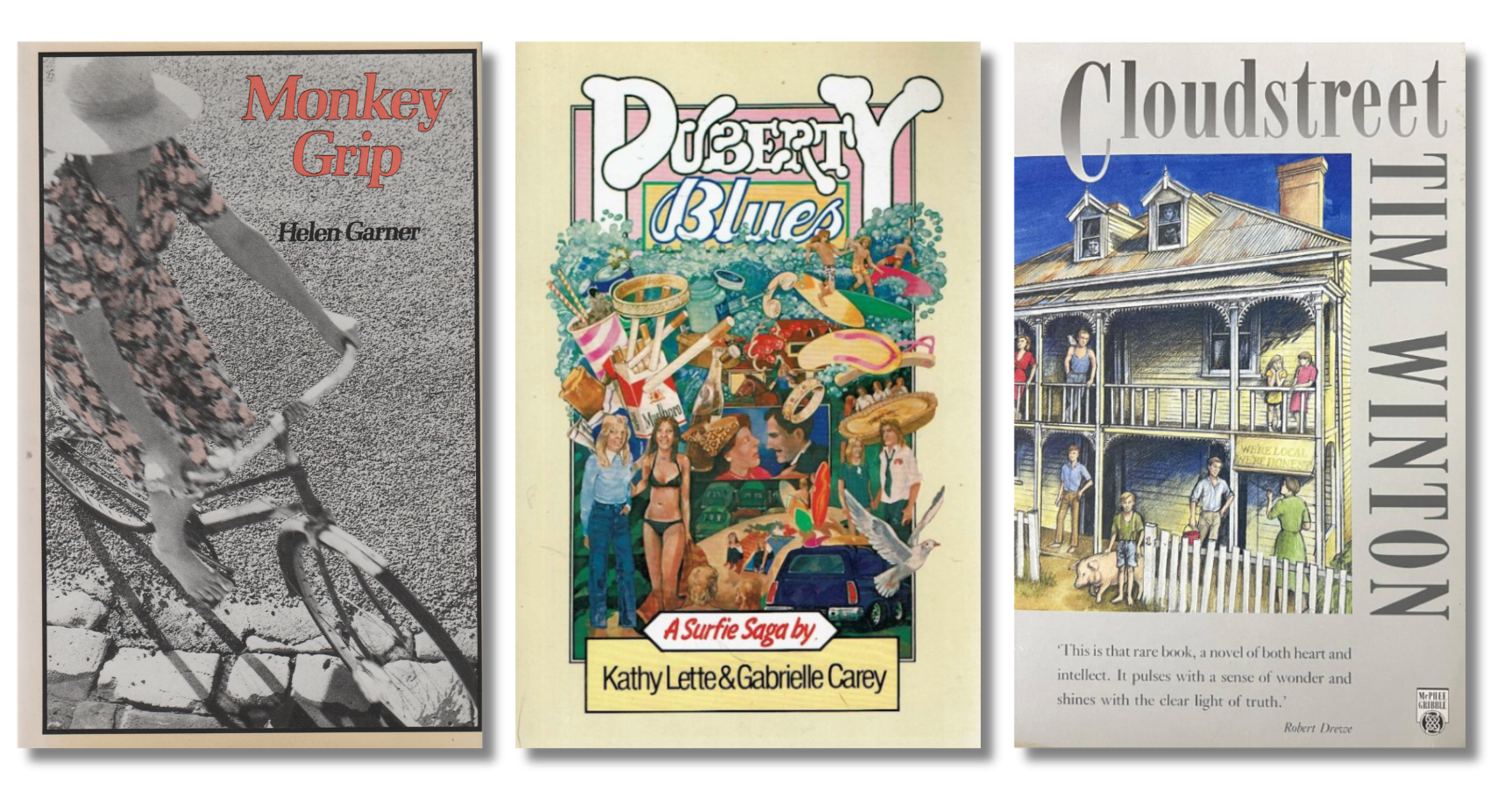
You talk about a longing to read Australian stories in a country that had long looked to England. McPhee Gribble had a bit of a heyday, publishing culture-shifting books like Puberty Blues, Monkey Grip and Cloudstreet. Did it feel monumental at the time?
They were baby authors when they came to us. They came to us with their first books. So we didn’t think we were shaping the culture, we just thought they were terrific writers, and we wanted to publish more and more and more of them. But, also, writers like Tim and Helen take a long time to produce their books. They cook for ages. We’d wait and wait for a new manuscript, sometimes years. It was hair-raising sometimes.
Your autobiography also acts as an archive of the ways publishing used to be done. For example, in terms of your own editing style, you talk about editing face-to-face, which I think is rarer these days.
I’m sure it’s as rare as hen’s teeth now. But it was such a good way to edit. We had authors in the office. Writers would come to us—they’d hop on a tram or a bike. We did publish writers from interstate—Tim Winton, of course, was in WA—and we worked very hard to speak to them on the phone at great length. Long phone calls late at night or early in the morning if we needed to. There had to be a personal connection. You needed to understand what the author was trying to do. I don’t know how you edit like that online now. I’m sure good editors have found their own way.
What were the challenges of editing this way?
Often the knotty bits in a book are the best bits. Particularly scenes and characters—sometimes no matter how good they are, if they’re getting in the way, you have to chop them out. We had to have these conversations on the phone, and it was a lot harder than in person. People would hang up on us in fury. I remember one guy who threatened to come in with a gun—he was in Tasmania, fortunately. He was so angry with what we were telling him to do. And there was another writer who was extremely threatening. He once said to me, I don’t care if I have only twelve readers as long as they are the right twelve readers. And I was so furious—we needed people to buy the books and we needed more than twelve!
There’s always tension between commerce and magic. You just have to work your way around it. I would love to sit in a publishing house and watch how they do it now.
It can be tricky to find the best way to convey things just through emails or track changes, especially because it can differ from person to person.
Yes, tricky is the right word. You have to encourage as well as crucify. Editors have to have the capacity to make an author feel as if their work is loved. Not ridiculously, because authors know if you’re gushing too much about their work but is truly understood. And that’s very hard to convey in track changes.
I’ve had that kind of editing done to me and it made me terribly angry. The editing itself was extremely good, but I couldn’t deal with just track changes and hardly ever a conversation. But I know authors who have wonderful experiences now, and that’s the important thing. That emotional connection is kept, I guess, somehow.
You express concern about how fast publishing has become under commercial pressures.
I think it’s very fast now, and authors don’t always have time to think. I know publishers who say a book needs another month, but they can’t afford it. That bothers me.
There’s always tension between commerce and magic. You just have to work your way around it.
The financial crash of the 80s changed the trajectory of McPhee Gribble, turning it from an independent into an imprint of Penguin in 1989. You had to cut costs, though there was resistance.
That was right at the end, when we knew we were going to be under terrible threat from Penguin. There was a new boss who didn’t like us because sometimes their authors would come over to us. I think this was just before Rodney Hall came to us and we were irritating Penguin rather than being good friends down the road.
Editing was very expensive and we paid people properly—all that stuff. So, I was trying to instruct the staff in how maybe they could cut their standards from say, 100 per cent to maybe 97 per cent. And there was a kind of shock and horror that went through the whole group. I would come in sometimes at night, and so would Di, and we’d find the production people pasting up books so we didn’t have to pay them overtime. Cutting costs was very difficult because we hadn’t trained people to cut costs. We trained people to do the best that they could, and under the circumstances, which were already rough.
When you say ‘pasting up books’ you mean you physically had to assemble pages for the printers?
Yes. I remember one night we snuck in because we couldn’t stand the fact that one author had absolutely refused to cut the word golden from her manuscript that appeared on every page about five times. And we couldn’t bear it, so we cut the word where we thought she wouldn’t notice, and it fell into the matting and it kept popping up for years.
The publishing house was eventually dissolved completely. We’re seeing some resonance today with increasing conglomeration in publishing. What do you think about that situation?
I think it’s very dangerous, but I do also think good writing finds its way around these dilemmas. I know that sounds terribly utopian, but it does. Of course, there will always be publishers that collapse, but large conglomerates are very good at protecting themselves. That’s what’s happening now—and with AI as well, which I look at with alarm. But writers will find a way if they have to write.
Other People’s Words has been reissued with an additional chapter on the future of publishing. What are your hopes for the next generation of readers?
I worry terribly about the upcoming generation, although I keep telling myself they’ll find their own way through. But I think social media is a terrible trap. It’s also an incredible device for making things easier—research, all kinds of good things—but kids are attracted to it. They get hooked and they think books are boring, and that is scary. I have a good friend, [award-winning author] Carrie Tiffany, who teaches. She says her students are so anxious that she often has to get them to shut their eyes while she reads a story, which is a wonderful thing.
So, I think we’ve just got to manage it and make sure it’s not managing us. That’s probably all that’s worth saying at my age. I’m very lucky, I had a number of years without it, and then when I was travelling a lot I used it and found how addictive it was—and how useful—but also how irritating. I hated having books pushed at me. I loathe that. I hated Amazon telling me what to read because they never picked the right books.
I think social media is a terrible trap.
You also discuss AI, and with some nuance on both the risks and possible benefits. Do you lean more firmly one way than another?
Oh, yes—I think AI will absolutely wreck short-form journalism, and you’re going to have to develop all kinds of ways of dealing with it. Every form of writing will have to grapple with it, and I cannot begin to imagine how you’re going to do it. And I don’t know what being edited like a machine feels like, but it must be terrible. I’ve only been edited by good people who talk you into something or out of something.
I think your original quest for specificity and locality might offer one way forward—those idiosyncrasies are hard for AI to replicate.
Yes, that’s exactly right. There has to be a wide range of writing.
If you knew all that you do now, what advice would you give to your younger self?
Heavens… Have more money at our backs. That’s not advice to a writer so much as someone starting a publishing company.
There are new publishing companies starting. I saw that there was one in Adelaide—Pink Shorts Press. Two young women. I thought how brave they were. I hope they’ve got money to draw on as it’s a very chancy business. But Adelaide may be a good place to start a new publishing house—they’ve always had good writers coming from Adelaide. I was meant to go and do an interview with the wonderful David Marr at the festival, but I cancelled because of the anti-Palestinian censorship.
Not a fan of the censorship crackdowns we’re currently seeing in the arts?
Absolutely not.
McPhee Gribble got some heat for publishing Puberty Blues, controversial for its depictions of teenage sex and references to abortion. Did you ever experience any government interference?
Nobody wanted to ban Puberty Blues. Germaine Greer didn’t like it. (Laughs.)
Speaking of enraging your fellow feminists, you moved to Pan Macmillan after the dissolution of McPhee Gribble. During your time directing the Picador imprint, you published The First Stone by Helen Garner. What was it like to publish something that generated so much contentious debate?
It was a huge difficulty. I wanted to bring Helen into Picador, and Picador were really anxious about The First Stone. Some prominent people on the board at Macmillan knew the women at Ormond College that she had written about—not scathingly, but critically. They tried to get me—and Helen—to cut the book.
Even Helen’s husband at the time didn’t want it published—Murray Bail—because he thought it was unfair to the master at Ormond. I was not inclined to let these people tell me what I could publish. I was stroppy and I resigned over it. It was such a painful time… Helen was away. I was ill, in hospital even. And then I got out of hospital and went to see the Macmillan lawyers at their office. And the lawyer said, ‘It’s fine. It’s perfectly possible to publish it.’ So they did. But I resigned over it, told them I couldn’t publish like this. It came down to trust.
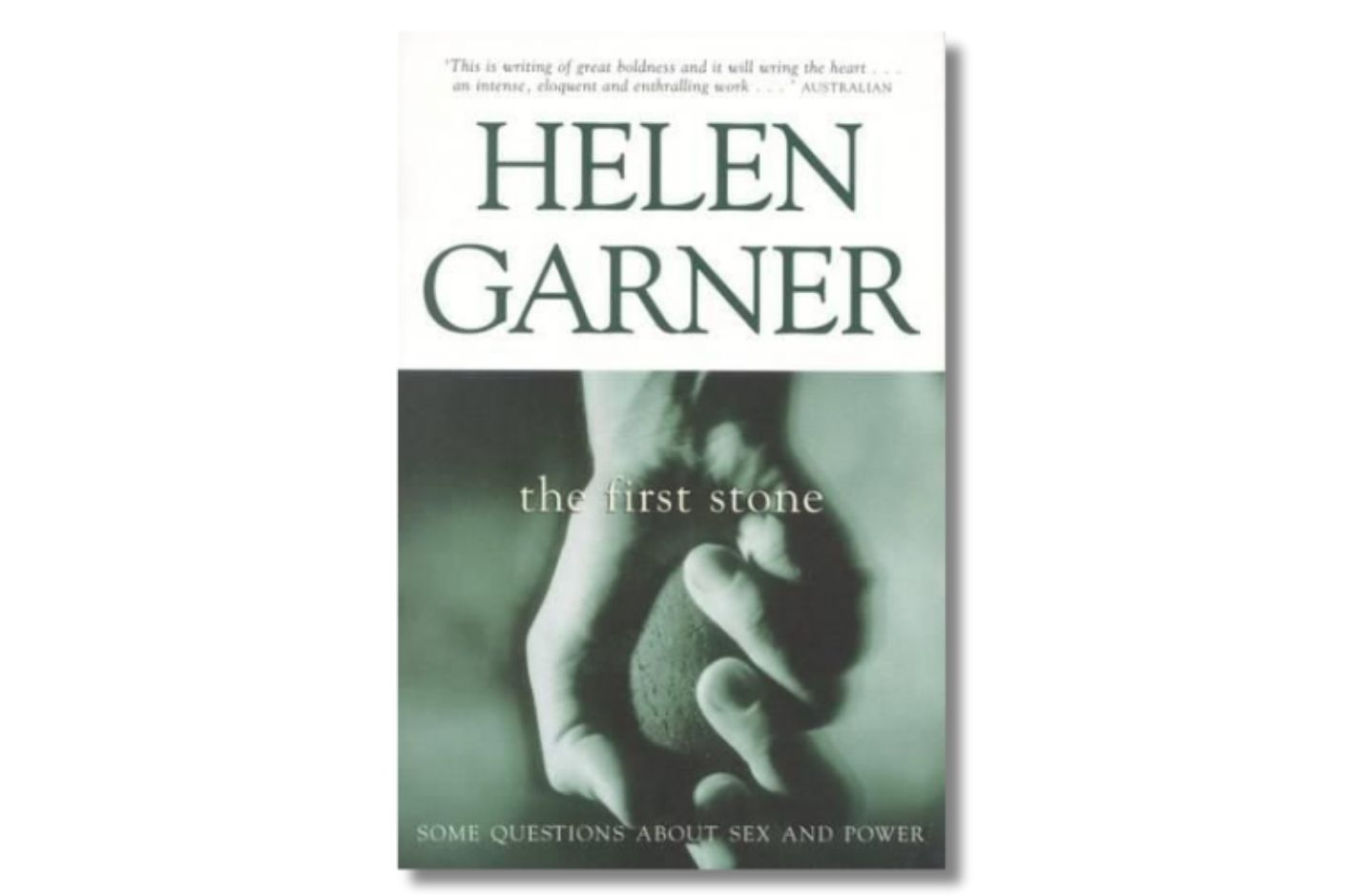
That book is still in print today, and it still sparks passionate conversation.
Yes, of course. People hated it or loved it. It divided Helen’s readership into little pieces for a while. I certainly wasn’t expecting Helen to write polemically because she never writes polemically… This is actually a story I haven’t told much—I don’t even know if Helen knows that I resigned over this book.
I was not inclined to let these people tell me what I could publish.
It’s almost fifty years since you first published Garner’s debut, Monkey Grip, and she is reaching a new international peak. Why do you think she’s become such a prominent voice in literature?
She speaks brilliantly about her work. She’s very good at publicity—not in a shallow way, but in how she articulates what she’s doing. The notebooks [Garner’s published diaries] helped build her international audience. New York especially loves that kind of writing. The English took much longer to read Helen because they couldn’t understand her Australian accent. For one book, they actually had her edited in England, and they used an editor who had a county accent—and she edited it like that! Helen had a French husband, at that point, who we got to edit the book because it was much more suitable than this Pommy English. But the Americans loved Helen much earlier than the Poms did.
I was interested in your discussion of Creative Australia in the new chapter added to Other People’s Words. You played a significant role as the first female chair of the Australia Council, changing the funding model in ways that still reverberate today. What do you think an ideal model of funding would look like?
No one has ever asked me that question, or about the Australia Council, which I always wanted to write about because it was incredibly difficult. We restructured the Australia Council, can you imagine? People were very hostile to change, but we were trying to fix an uneven system. I learned huge things from that period, but god, was it hard. I cried a lot actually.
We inherited 183 committees that had to be separately advertised and promoted. I loathe committees. Powerful people knew how to get their mates in. I don’t know what the ideal system is now, but I know it must avoid being dominated by lobby groups or insiders.
There’s been talk recently of Creative Australia funding being directed towards ‘social cohesion’ projects. Do you think the government should keep its hands off arts funding decisions?
Yes, and certainly not with aims like that. Social cohesion is a necessary thing, but it has to be done gently. People need to find their own way in. I certainly think funding has to take into account things like this, but it can’t be influenced by lobbyists. There have to be writers who aren’t locked into their own walls and peer groups too. Funding bodies must avoid being dominated by cliques or power networks. That’s always the danger.
In 2003, you received an Order of Australia for your services to literature. What are you most proud of achieving in your career?
Oh, that embarrasses me terribly. I put a scarf over it. I got it from John Howard, for god’s sake. Not from him directly, but while he was prime minister. When I was at Australia Council, he wanted to shut us down, and would cut me dead, turn his back to me… But interviews like this, which make me think about the past, make me feel proud, I suppose, so thank you.
Thank you for your time, Hilary—I’ve really enjoyed our conversation. Like your book, it was a good reminder that things don’t have to be done the conventional way.
No, they don’t. There are always new ways of doing things, and good writing will find its way.
This interview has been edited for concision and clarity.