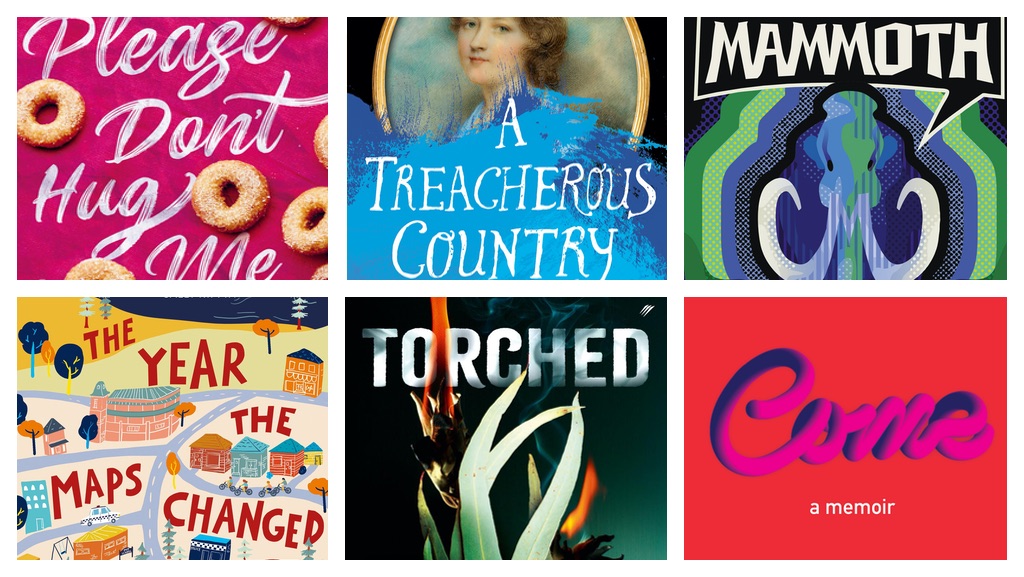


Please Don’t Hug Me
Kay Kerr (Text Publishing, available now)
Please Don’t Hug Me is our First Book Club pick for May—stay tuned to the KYD website and Podcast for more throughout the month!
Erin is in her final year of school, navigating formals, final exams and driving lessons. She is autistic, so as well as living the teen experiences her peers are going through, she is dealing with deciphering social cues, avoiding outbursts, and keeping her ‘cringe list’—where she keeps track of social mistakes and misunderstandings—to a minimum. And she wants to keep all of this to herself—people at school finding out she is autistic would be a huge item for the cringe list. Erin is a planner; she has strong ideas about how things should play out, and feels most comfortable in a routine. As the book opens, she has one main focus—going to Schoolies with her best friend Dee. But despite her meticulous planning, things start to head in quite a different direction.
Please Don’t Hug Me is written as a series of letters to Rudy, Erin’s older brother, who is not around anymore for reasons that soon become clear. Erin writes these letters as a cathartic exercise, and by choosing this model for her narrative, Kerr is able to give her readers an imperfectly introspective view into Erin’s life; the letter writing format effectively represents how a young person might ‘edit’ their lives for the people around them, and even for themselves. Erin tends to omit her terrible boyfriend Mitch from the letters, prefacing any mentions with acknowledgement that Rudy always said Mitch was bad news, or that her own feelings for Mitch are very lukewarm. It’s quietly heartbreaking to see a protagonist as lovable as Erin subject herself to a relationship with zero respect and care, but as with the other trials of Please Don’t Hug Me, it’s a part of a greater journey.
This enjoyable, emotionally complex novel marks an important step towards more representation of autistic girls in Australian YA.
It will be easy for both neurotypical and neurodiverse readers to connect with Erin. She is such a well fleshed out protagonist, clearly written with lots of affection. A major theme of this book is the expectations and preconceptions around how autistic people live their lives, and I loved that Erin moved beyond these expectations. Over the course of the book, she abruptly leaves her part-time job, her best friend hints at changing a shared plan to live together after high school, and a difficult anniversary related to her brother approaches. But when Erin’s routine and plans are disrupted, and her future becomes a little less certain, she actually begins to find her groove. By the end of her year, she is even comfortable enough with her identity that she starts to blog about her life as an autistic person. This enjoyable, emotionally complex novel marks an important step towards more representation of autistic girls in Australian YA.
—Ellen Cregan