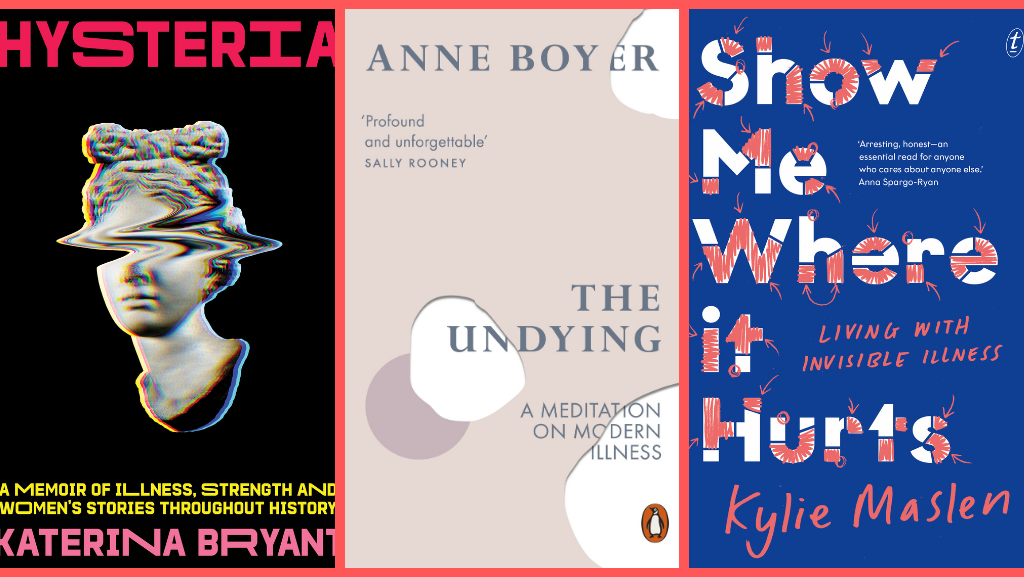


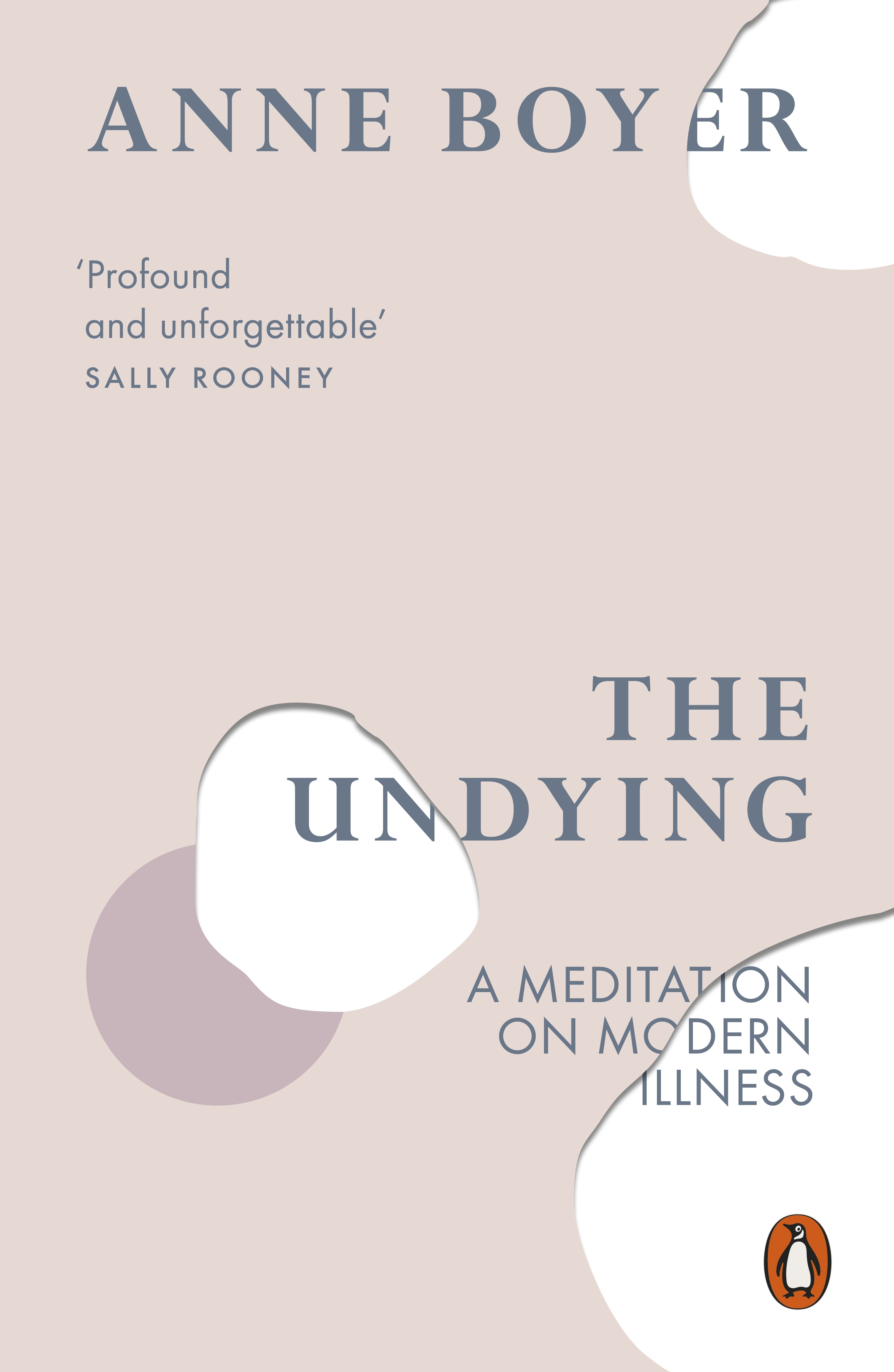
In The Undying: A Meditation on Modern Illness, Anne Boyer tells the story of living with breast cancer in the twenty-first century United States; but as the lengthy subheading (Pain, Vulnerability, Mortality, Medicine, Art, Time, Dreams, Data, Exhaustion, Cancer, and Care) suggests, the book is as much about the specifics of breast cancer as about widening the experience to help us understand the many layers of living with illness. More commonly recognised as a poet, Boyer writes The Undying in succinct prose paragraphs, positioning herself and her cancer at the intersection of the wider cultural politics of breast cancer—a highly resonant, popularly understood and gendered disease.
In many ways, Boyer uses herself as a research device, interrogating the challenges and inequities faced as a single, working mother without traditional or state-recognised family structures to draw on for support during her treatment. She utilises her position and experience to critique the current narrow ideologies around care, and how this is reflected through policy. When told she must have a family member with her at an appointment in order to receive a diagnosis, she asks a friend who can only afford to take her lunch break off from work to join her. Departing from the anecdote, Boyer writes:
If you are loved outside the enclosure of family, the law doesn’t care how deeply—even with all the unofficialised love in the world enfolding you, if you need to be cared for by others, it must be in stolen slivers of time.
Using this moment as a springboard for a critique of US leave policies, Boyer describes how if you are not bound to someone as a parent, child or spouse, ‘no one else is guaranteed leave from work to take care of you’.
Demands to have care understood as a matter of collectivity are written about by many illness and disability writers. In Care Work: Dreaming Disability Justice, Leah Lakshmi Piepzna-Samarasinha writes:
What does it mean to shift our ideas of access and care (whether it’s disability, childcare, economic access, or many more) from an individual chore, an unfortunate cost of having an unfortunate body, to a collective responsibility that’s maybe even deeply joyful?
The automatic assumption that caring for someone else is only ever stressful and tiresome is reductive: Firstly, it fails to value the skills and strength of care work, but also denies the possibility of caring being a mutually beneficial relationship. Illness writing can be a space for us to shift how we view care, and what kind of demands we make around access to it.
Boyer draws on the assistance she needs during her cancer treatment, writing ‘once treatment begins, my erotic longing is for assistive devices: a wheelchair and someone to push it, a bedpan and someone to empty it’. If traditional illness memoir often exists around the isolated individual on their quest to recovery, oriented towards seeing material results that signify cure, Boyer’s work instead works towards foregrounding and normalising the interdependency of our lives and the indefinite temporality of illness.