Enjoy discounts across our wide range of courses with award-winning writers.

Culture

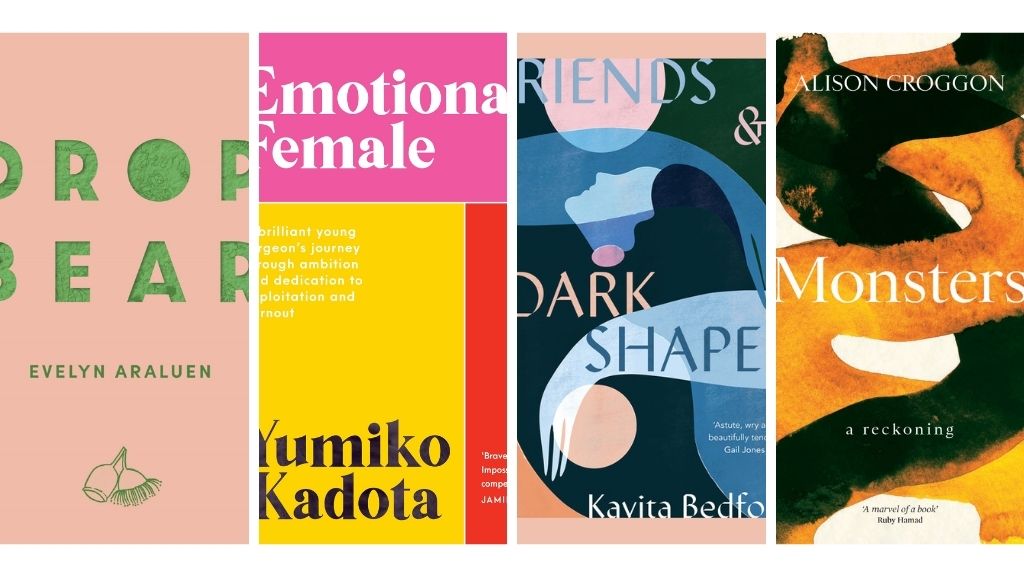
Dropbear, Emotional Female, Friends & Dark Shapes, Monsters

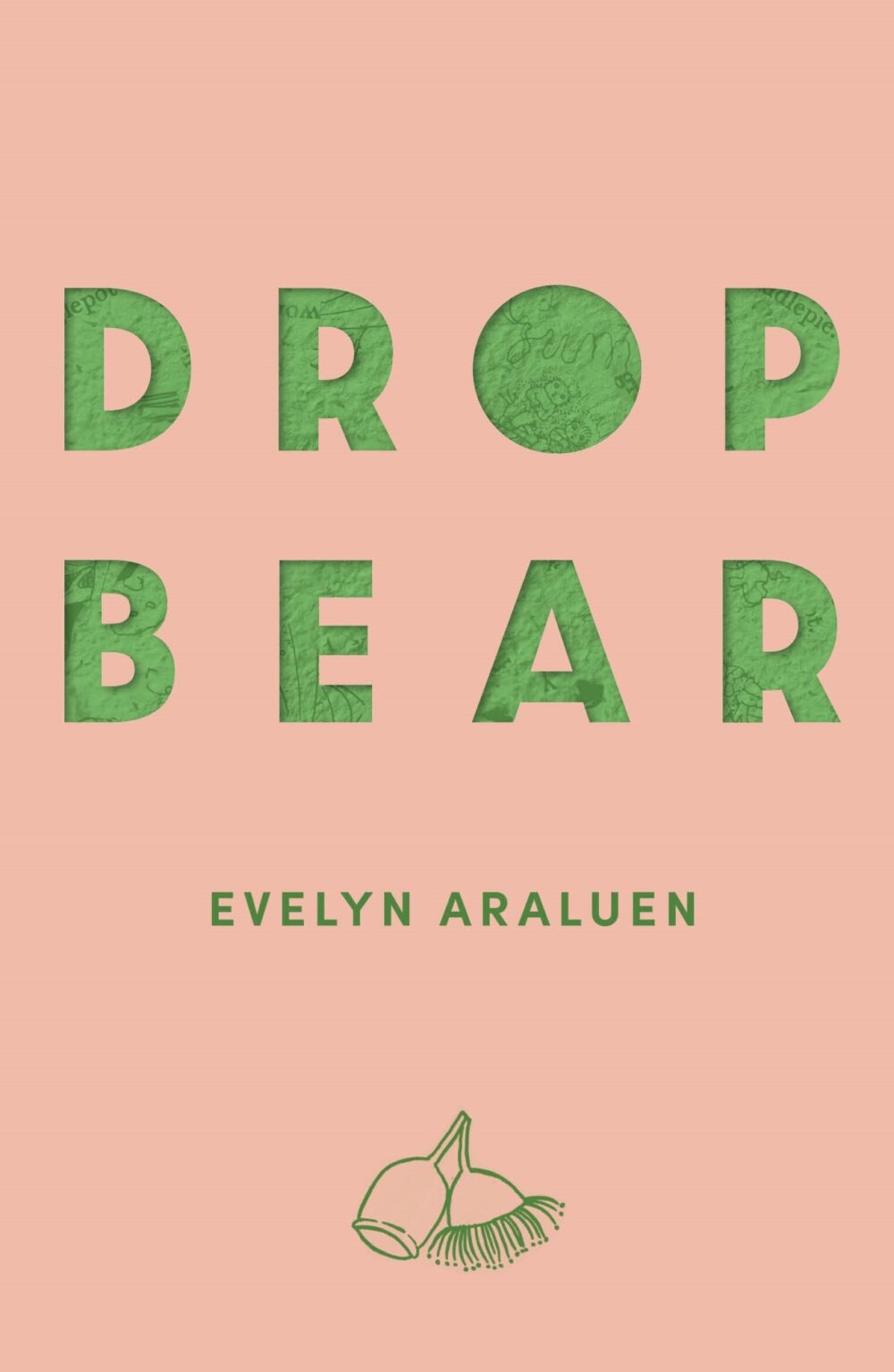
Dropbear
Evelyn Araluen (UQP available now)

Dropbear is our First Book Club pick for March—stay tuned to the KYD website and Podcast for more throughout the month, and join us for a free online event with Yarra Libraries on 24 March! Register for a free ticket here. 

Writer and academic Evelyn Araluen brings together poems and essays about language, family, history and colonialism in her debut collection, Dropbear. From Captain Cook to COVID-19 lockdowns, Araluen writes with a steady poise, adept at immersing her reader into historical scenes and contemporary ones. Araluen works within the form of poetry to articulate the tricky spaces between the personal, political and historical.

Dropbear is a refreshing book—while many poems in the collection describe elements of landscape and the environment, they do so without the spaciously arranged and dainty lines we so often see in Australian poetry. Araluen’s poetic voice is always powerful in its choice of form and metaphors—lines break in surprising places, and images tend to relate to the earth or the body, grounding them to the natural world. Past and present coexist, with Araluen situating herself as both an observer and participant of her family’s ancestral connection to land.

I found Araluen’s writing so engaging that I read this in a single sitting—something I very rarely do when reading poetry.

There is a measured anger that simmers beneath the surface in many pieces, and erupts in others. In ‘Acknowledgement of Cuntery’, Araluen uses the well-worn structure of a typical Acknowledgement of Country to highlight the hypocrisy of performative allyship. In ‘Mrs Kookaburra Addresses the Natives’, Araluen adopts the voice of old-fashioned Australiana and picks apart the thinly-veiled racist metaphors of Snugglepot and Cuddlepie and its ilk. These poems and short essays offer biting criticisms, yet are also emotional and sharply intelligent. Araluen is comfortable questioning her own assumptions and misunderstandings too—her introspection makes this work feel even more personal.

Poetry is one of the most difficult forms of writing to review, and Dropbear is no exception to this. There is so much ground covered in the pages, but reading this book also feels like gaining a view into the heart of the writer, which is one of the most beautiful things poetry can do. Poetry is sometimes viewed as a form of writing that can be read casually, to be dipped into when a novel or short story is too much of a commitment. But I found Araluen’s writing so engaging that I read Dropbear in a single sitting—something I very rarely do when reading poetry. This is a wide-ranging and memorable collection, filled with empathy, pride and beautiful language.

– Ellen Cregan
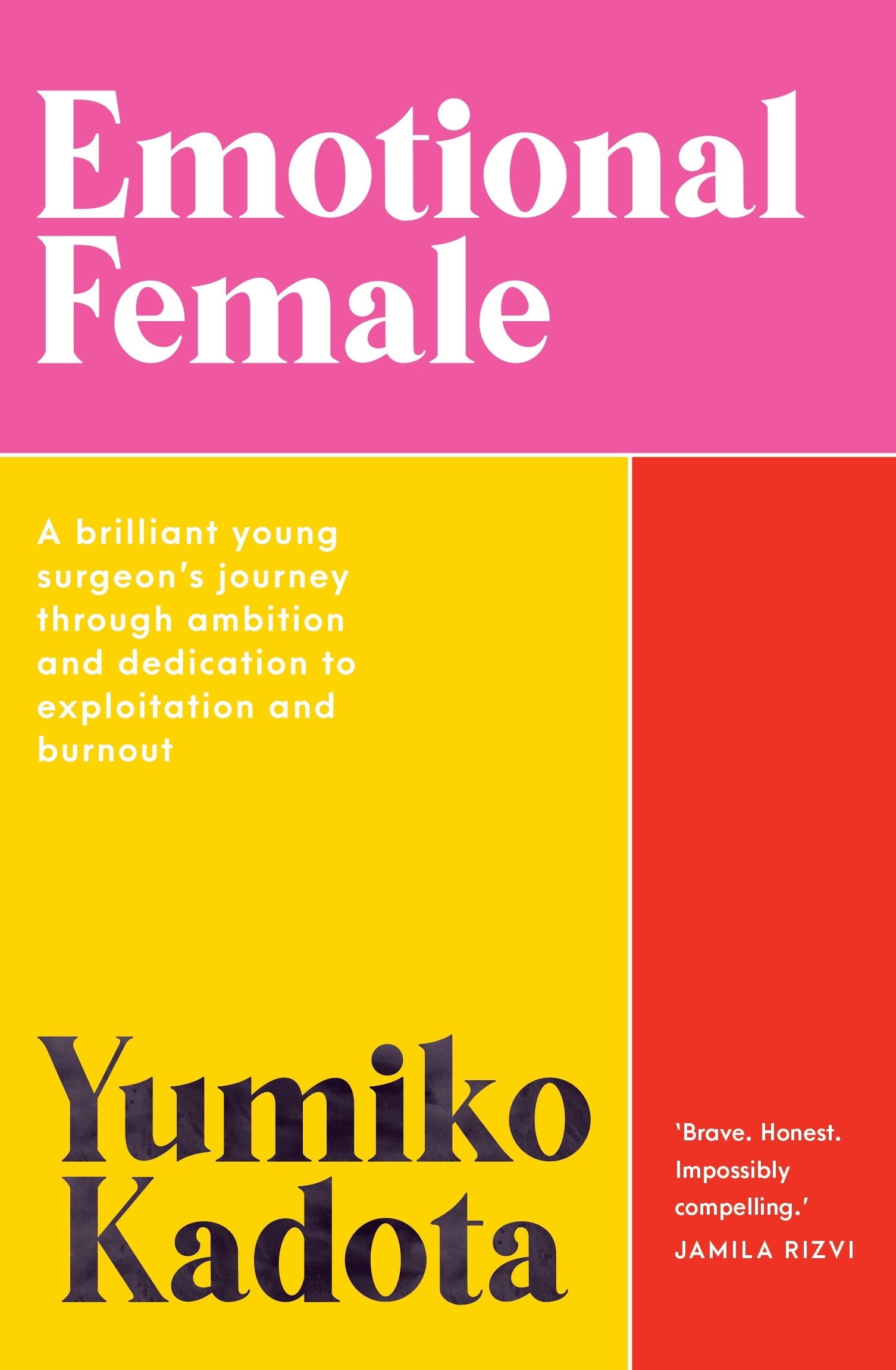
Emotional Female
Yumiko Kadota (Penguin Books Australia, available now)

Yumiko Kadota’s debut memoir Emotional Female is a searing indictment of the sexism, racism and institutional exploitation present in the Australian medical profession. Kadota recounts her life from childhood right through to the events leading to her resignation as an unaccredited plastic and reconstructive surgery registrar. This is an obvious must-read for young people in the medical profession, and I have already loaned my copy to my younger brother who is studying Medicine at Western Sydney University. Yet, as a visibly Muslim woman of colour working as a junior lawyer, I found myself scrawling ‘relatable’ in the margins of every chapter.

I was shocked by Kadota’s detailed descriptions of racism and sexism over her seven years of medical practice, as I always regarded the Australian medical profession as superior in its representation and inclusion of people of colour. Her experiences include numerous instances of supervisors mixing her up with other Asian doctors, being nicknamed Shinkansen (Japanese bullet train), and being told by another doctor that ‘all of my girlfriends have been Asian.’ In one encounter, a white, middle-aged patient plainly told Kadota, ‘I’ll have an Aussie, thanks.’ It is Kadota’s description of microaggressions like these, in addition to overt experiences like being assaulted by a medical professor during ‘counselling sessions’, that reveal her greatest writing strength—meticulous and unapologetic attention to the details of events others may deem isolated.

As a visibly Muslim woman of colour working as a junior lawyer, I found myself scrawling ‘relatable’ in the margins of every chapter.

In the wake of International Women’s Day, many will undoubtedly file Kadota’s book in their feminist reading pile. However, it is important to note that Kadota’s experiences of sexism and racism are not mutually exclusive. Like many of the non-intersectional International Women’s Day events that corporations hold, reading Kadota’s memoir purely through the lens of sexism is deeply reductive and fails to account for the inextricable racial discrimination that women of colour experience on a daily basis. While Kadota’s memoir is a reclamation of being an ‘emotional female’, it is also an undeniable renunciation of a system that is overwhelmingly stacked in the favour of white men and white women with ‘pearl earrings.’ We need to celebrate the emotional intelligence and courage of women of colour in every industry and profession, especially when they are brave enough to call out unacceptable sexist, racist and exploitative behaviour just as Kadota has so powerfully done.

– Ferdous Bahar

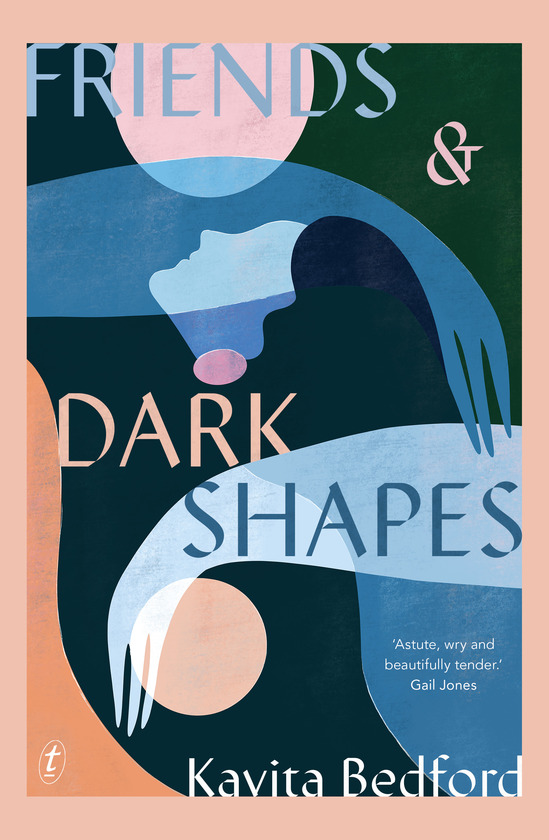
Friends & Dark Shapes
Kavita Bedford (Text Publishing, available now)

Kavita Bedford’s novel Friends & Dark Shapes is a gentle exploration of contemporary life in Sydney. The novel is a series of vignettes divided into four seasons, and follows a nameless narrator and her almost-thirty-year-old friends who live in a Redfern share house together. Bedford’s protagonist struggles with the modern challenges that come with city life, while simultaneously grieving the loss of her father. Sorrow weighs quietly on the narrator as she goes through the motions of her life, creating a strong atmosphere of melancholy throughout the novel.

Bedford creates a central character whose close connection to Sydney and the people around her slowly crumbles in the aftermath of her father’s death. Grief prevents her from relating to her friends, and even at times to herself. Her life turns into a dreamlike experience, a sense strengthened throughout the vignettes as the seasons change. Her roommates and colleagues tiptoe around her loss, choosing instead to discuss first world problems typical of the middle class. The narrator is left to face her grief in solitary moments. Bedford’s sharp and evocative writing provides a unique look at how loneliness can emerge and present itself despite our busy and crowded lives. ‘Grief catches me at unsuspecting moments and times. On this street. In that shop. In a turn of phrase. In this memory. It seeps into the grooves and cracks of a place. It doesn’t obey a linear arc; it ducks and weaves.’ In these moments, the narrator finds solace and comfort in her memories, and to a time where the city was a familiar friend and not clouded by this new unknown that follows her.

Bedford’s sharp and evocative writing provides a unique look at how loneliness can emerge and present itself despite our busy and crowded lives.

My experience reading Sydney-based novels has lead me to expect little that ventures out west or encompasses the diverse landscape of the city. Bedford’s novel quashes this expectation. Early in the novel, the narrator finds herself engrossed in a discussion about the nuances of hijab fashion with a Syrian store owner. From treks to the back streets of Fairfield, to film festivals at the State Theatre, Bedford skilfully paints a sentimental picture of a multi-faceted and multi-cultural city. Bedford’s writing is compelling, lyrical and often nostalgic. Her characters, diverse in background, live complex lives with all the nuances and intricacies that are shared among second-generation immigrants. It is a beautiful and tender ode to Sydney.

– Naima Ibrahim

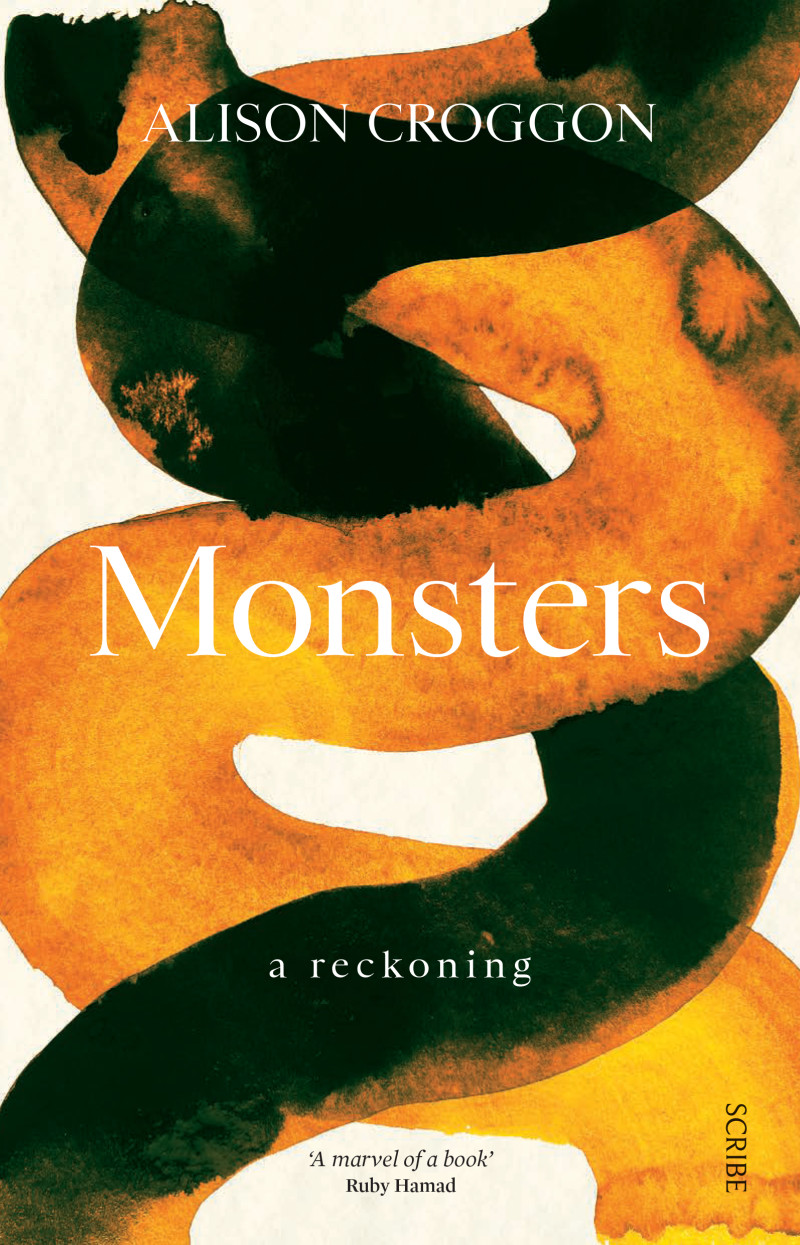
Monsters
Alison Croggon (Scribe, available now)

Amid the ongoing debate about the meaning of January 26, 1788 to present-day Australia, Alison Croggon’s essay collection Monsters is a breath of fresh air. With sparkling eloquence, Croggon deftly casts aside the prevailing political discourse that characterises colonisation as a formative, rather than destructive, national experience. She argues that our lives continue to be structured by imperialism and its logic, because colonisation itself ‘changed the nature of human consciousness.’ We are left in no doubt of what we are dealing with; the British Empire was a ‘genocidal con-job’ that ‘influenced the life of every creature on the planet… It enslaved, impoverished, murdered, and disinherited millions of people. It demolished the natural world until it transformed the very texture of the atmosphere itself, until our very existence on the planet is endangered.’

The essays fan out to examine the legacy of colonialism through broad concepts, such as patriarchy and environmental destruction, and through its effects on intimate relationships, with a specific focus on the disintegration of her relationship with one of her sisters. While she—and her siblings—have undoubtedly suffered as a result of family dynamics conditioned by colonialism, she refuses to claim the mantle of victimhood, reserving it for those her family colonised, thus avoiding the zero-sum game of competitive suffering. Croggon’s writing evinces a furious momentum, looping back and forth to her relationship with her sister, while questioning her own motives for writing the book. She refuses to draw a straight line from their estrangement to Western imperialism, instead suggesting that ‘damage was handed down, generation to generation, a damage that was understood and reproduced as privilege.’

Croggon deftly casts aside the prevailing political discourse that characterises colonisation as a formative, rather than destructive, national experience.

While reading Monsters, I was reminded of a 2020 interview with former US Poet Laureate Natasha Trethewey, in which she stated that ‘[r]acism… doesn’t just harm people of colour… it has thoroughly disfigured the souls of so many white people, and made it hard for them to even see themselves in a true light.’ Croggon intimately understands this disfigurement; in writing of her family’s inner workings, she sees that she may have become a ‘monster.’ This is the unacknowledged consequence of the colonial project; as ‘an ideology that conditions children from birth to consider some human beings as lesser than others’, it leads its beneficiaries to become monstrous and their relationships distorted. But, as Croggon suggests throughout, the energy that goes into denying this is the ultimate distortion.

– Amy Walters

Latest

Shed a Tear for the Norman Mailers

Rebecca Starford

How to Love the World

Ilka Tampke

Writing in the Age of AI