A Day in the Life
Morning
I really like routine and when I was writing Get Up Mum in particular, I got into the habit of keeping school hours and working from nine to three. That’s when I did my best work.
It wasn’t all writing during those hours – there was some ‘constructive procrastination’ going on, researching things from childhood on YouTube. That’s how I would reward myself after writing a traumatic chapter.
Now the book is finished there is a sense of loss and purposelessness and postnatal calamities… it’s not that bad, but I’m weaning myself off the routine of the book. I have a pseudo-routine going where I still rock up to my desk at 9 o’clock and do some busy work, of which I always have lots to go on with, even if it is tinkering with my website.
There are also a lot of promotional activities for the book, which offers a healthy smattering of things to do.
Late afternoon
Like any construction worker in a high-vis vest with a sausage roll and a can of V, I too would get to the end of a long day of serious soul-mining and the top of my head would be lightly throbbing – that is how you know you’ve done a solid day of writing. Your brain is a muscle and if you are really flogging it with thinking, it’s a physical thing.
‘That is how you know you’ve done a solid day of writing. Your brain is a muscle and if you are really flogging it with thinking, it’s a physical thing.’
At the end of the day I close the door on the office, and that really helps with the compartmentalising of it all. When I lived in a one-bedroom place I didn’t get to close the door on my work as much because I had my desk in the lounge, but then through a series of arts grants and a pretty successful job ripping off a casino, I was able to move up to a two-bedroom place.
Evening
Most evenings I’d just be smashing Star Trek: Voyager. With writing a childhood memoir, the last thing I could try and do is watch Game of Thrones like a normal person – I couldn’t handle any adult concepts, as it was too big a gear change. But there are 172 episodes of Voyager, so the whole series lasted me the duration of writing the book and it brought great comfort to me.
After dinner, I’ll often go for an hour-long walk. You’ve got to walk – night walks are especially great if you’re living by yourself doing something intense – it’s become a necessary winding-down exercise.
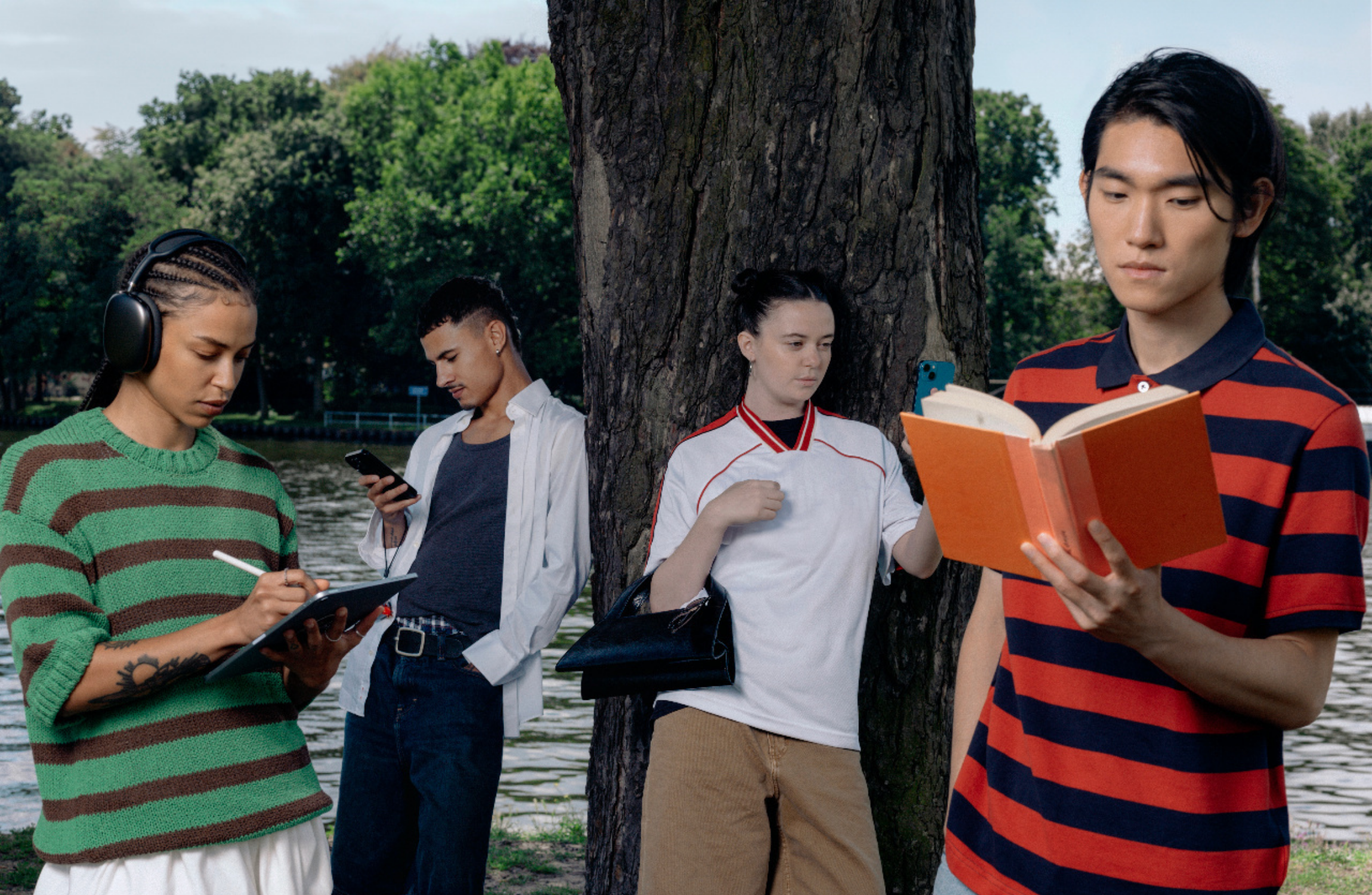
I think people seem to see walking as a great time to multitask, and just look at their phone the whole time while walking into a river. But fuck that – there are so many smells, sounds, things I haven’t thought of, or just nothing. Some people think mindfulness has to be this really complicated exercise where you sign up to some class at some clinic in Collingwood, but I’m just like, go for a walk and don’t take your phone. I dare you to see what happens.
‘Some people think mindfulness has to be this really complicated exercise…but I’m just like, go for a walk and don’t take your phone.’
Bedtime
My bedtime is earlier than you think – around the 9.30 or 10pm mark.
Every three days I’ll wake up at 4am in a crazy panic, but those happen less once you work out it’s just your subconscious wanting to have some quality time. So rather than fight it, I’ll get up and have a camomile, and sit in my orange velvet recliner chair and maybe write half a poem and do some staring into space.
I don’t have a nine-to-five, full-time job so I have the luxury, but I do think of people who have to get up for work and how [to me] that would be a world of stress. I really appreciate the space to be a bit flexible about when I go to bed and when I get up.