2 April 2025
We have descended into a kind of existence where the sun rises not to awaken the living but to expose the damned. Our days are rituals of humiliation, long lines for water, a single container passed like a holy relic among the parched, as if thirst were a sacrament now. The water trucks hadn’t come for three days, and when at last they did, the line stretched endlessly. My brother and I waited in that dust-heavy silence, and all we could fill was one gallon – one – enough, perhaps, for a single day, if we are careful, if we are lucky.
And bread, what a tragic word. Once a symbol of life, now reduced to a memory my mother resurrects through smoke and exhaustion, kneeling at the clay oven as if begging the fire for mercy. We went looking for flour, foolishly perhaps, still possessed by the hope that something might remain. A twenty-five-kilo sack, once 25 shekels, now 400. The price of bread is now the price of despair, the cost of feeding a family now measured in the currency of cruelty. We stood there, not even angry, just hollow. Not because we were noble, but because even rage had abandoned us.
The news, when I dared to read it, was another layer of despair: a chorus of distant screams translated into headlines. And when I tried to withdraw my own money, the system – what remains of it – asked for forty percent to convert it into cash. As if desperation were something to be taxed.
We have descended into a kind of existence where the sun rises not to awaken the living but to expose the damned.
Now the planes return. Their scream is no longer terrifying, it is familiar. It is the lullaby of ruin. They rip through the sky not with intent but with hunger. I feel it in my bones: tonight they will take again. And still, absurdly, we breathe. That is the miracle. That is the punishment. This is not life. This is the theatre of divine abandonment, a test with no answers, a fire with no light. And we, the scorched, keep pretending we are not ash.
7 April 2025
Today was my shift at the hospital. Since our return to the Indonesian Hospital, I’ve been working side by side with two doctors. One of them was Dr Mahmoud Abu Amsha. This morning, he was late. We called. No answer. We waited. Still, no sign. Then the news came, cruel and sudden: Mahmoud had been killed in an airstrike. His body was brought to the very hospital where we stood waiting for him in a silence that no words could fill.
I’ve known Mahmoud not just as a colleague, but as a brother in the trenches. When the Israeli army stormed northern Gaza and most doctors fled for their lives, Mahmoud stayed. He and Dr Hussam Abu Safiya were the last to hold the line at Kamal Adwan Hospital. Mahmoud – the only remaining surgeon – worked tirelessly in a place that had become more graveyard than hospital. From inside, he sent me voice notes. Fragments of despair and courage.
When the hospital finally fell, Mahmoud was taken. Beaten. Then released. He made it to Gaza City with nothing not even his shoes. We went together to buy him some clothes. I teased him that he wouldn’t get to wear them all before another evacuation forced him to leave them behind. I didn’t know then that his next departure would be eternal, not displacement this time, but disappearance into the silence of death.
When I opened our free clinic, I messaged him. He was still trapped in Kamal Adwan. ‘Just stay alive,’ I told him. ‘Come when you can.’ He survived. He showed up. He volunteered two days a week, treating the wounded without asking for anything in return. With his hands, he healed. With his presence, he gave us hope.
And now, he’s gone. Another light extinguished in a city of endless mourning. Mahmoud’s death is not just mine to grieve. It is a wound in the heart of Gaza’s medical soul. It is a loss to the patients who will never know his care, to the children who will never feel his steady hands in the ER, to the future we are watching collapse one healer at a time.
We did not just lose a doctor. We lost resistance in its noblest form. We lost mercy. Rest well, my friend. You gave everything.
9 April 2025
One day, I asked Mahmoud why he chose to stay at Kamal Adwan Hospital when the situation was catastrophic, why he didn’t flee like everyone else. It was something I genuinely couldn’t understand at the time. He answered softly, ‘I don’t really know. I just felt I had to stay, for those trapped inside. There were no doctors left to help them.’ Then he added, ‘We studied medicine to save lives, not to run away.’
Another light extinguished in a city of endless mourning. Mahmoud’s death is not just mine to grieve.
Back then, his answer left me confused … but now, I finally understand. Mahmoud didn’t belong to this world, not this cruel, indifferent world. He belonged to a purer one, to something far more honest and selfless. That’s why he left us. because this world was never meant for souls like his. We don’t just mourn Mahmoud as a doctor. We mourn him as the kind of human this world desperately needed, and so quickly lost.
10 April 2025
Yesterday, they brought in a child, seventeen months old. A boy, though too light, too still, too quiet to carry that word with any truth. His mother held him like one holds a memory, something fading. His limbs hung loose, soft, as if the will to resist gravity had long since been abandoned. He did not cry. He did not speak. He only looked past us with eyes wide open, searching for something that is no longer here. She told us he had been walking. Once. Not long ago. His steps were unsteady, but full of promise.
Then, eighteen days ago, he began to stumble. A few days later, he couldn’t stand. Now, he just points to his legs, not in pain, but in bewilderment. As if he knows something has left him. As if his own body has become a stranger.
In another world, they would have spoken of syndromes and scans and long Latin names. But not here. Not in Gaza. Here, the cause is so ordinary it no longer feels like tragedy, it is hunger. Not sudden, not sharp. Slow. Precise. A dismantling. The kind that starts in the stomach and ends in the soul.
He lives in Sheikh Radwan now. In a tent pitched beside a sewage canal. Their house in Beit Lahia is gone, crumbled into itself like a body giving up. His father, once able to work, is now broken by injury. The family has had nothing but rice for a month, one small meal a day. Now, even that is gone.
We gave him what we could. A little therapeutic milk. Some vitamins. An antibiotic. A blanket that smelled of plastic and mildew. The illusion of help. We say we’re following protocol, but what does protocol mean when the world has collapsed? These are not treatments. They are offerings at the altar of our helplessness. Because the truth is unbearable: this child is not dying from a rare illness, or a sudden wound. He is dying from absence. From the steady erosion of what makes a life liveable. From the spaces between explosions where the world forgets to look.
And this war, this war is not only in the noise. It is in the silence that follows. In children who forget how to walk. In mothers who run out of stories to tell. In fathers who cannot meet their sons’ eyes. There are no bandages for this. No injections for despair. We wrote his name in our records. We tried not to tremble. But what medicine heals a world like this?
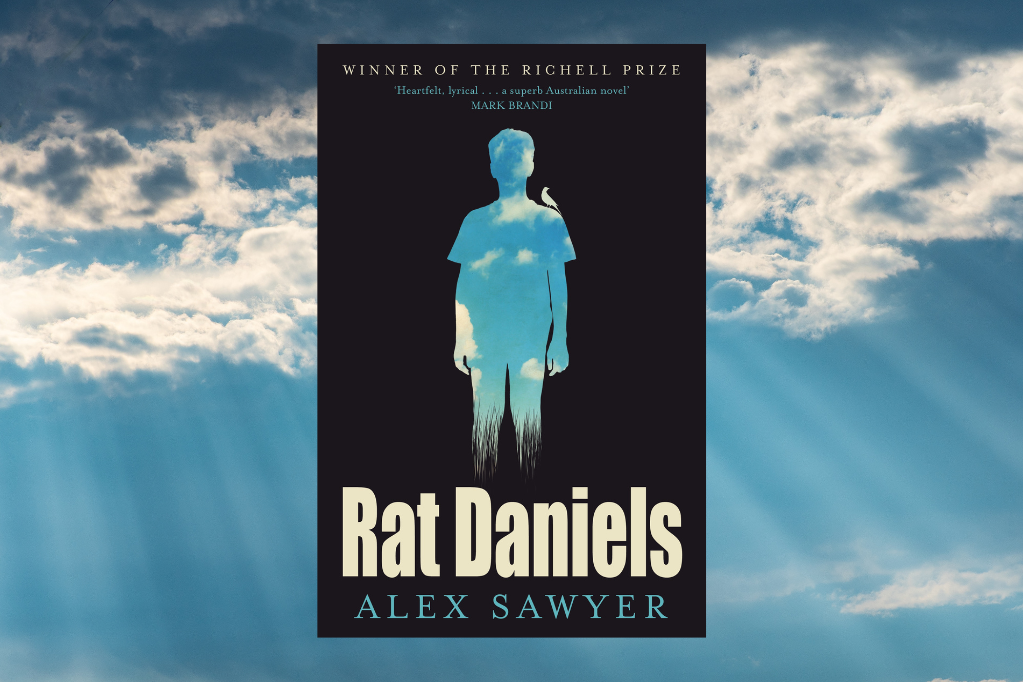
Excerpt from Diary of a Young Doctor: Notes from the Genocide in Gaza by Ezzideen Shehab (Readers and Writers Against the Genocide), available now at your local independent bookseller.