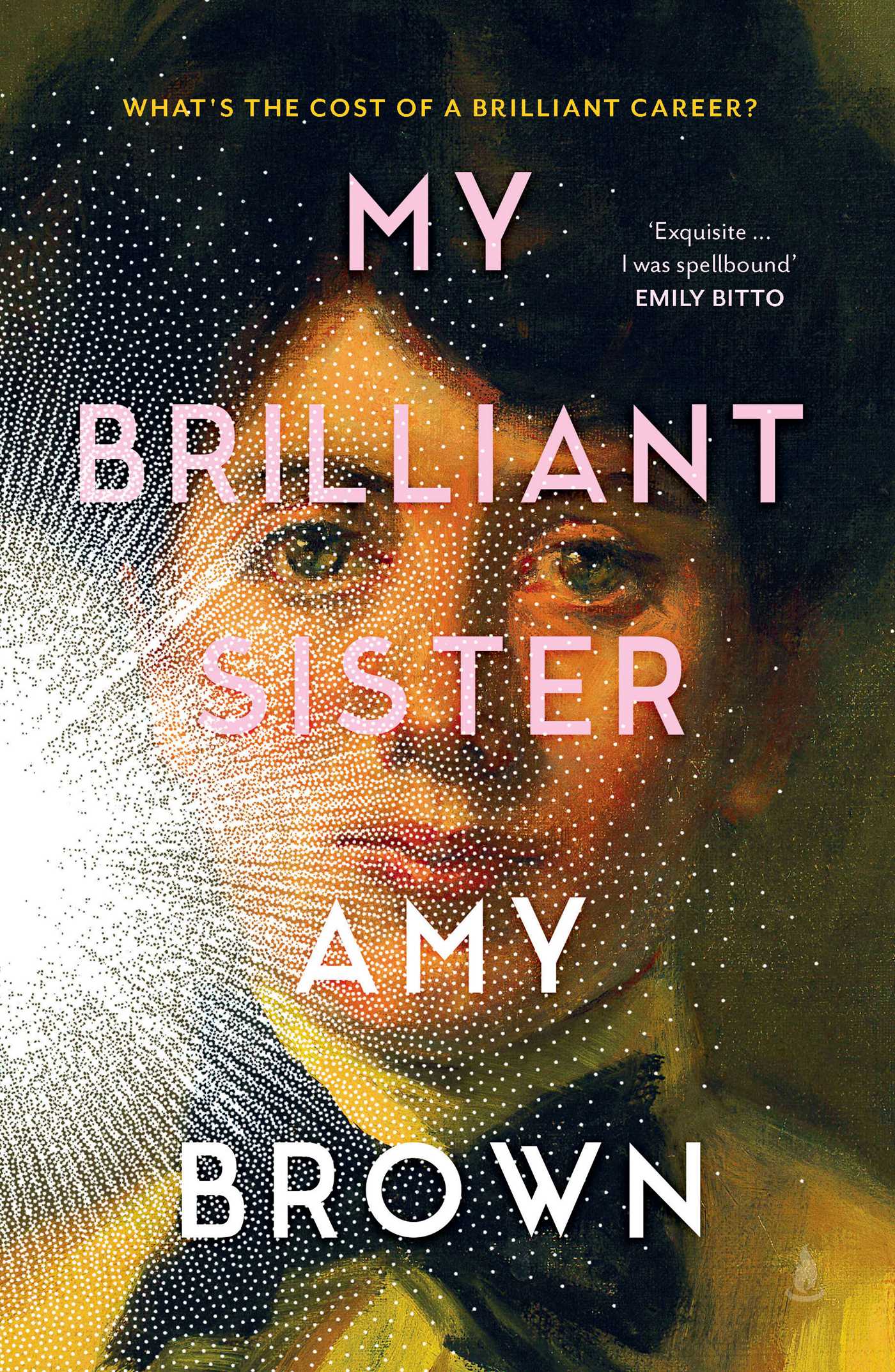
This interview has been transcribed and edited for clarity. To watch the video conversation, visit KYD’s Instagram profile.
What was your elevator pitch for the novel when you approached publishers?
It is broadly about the decisions and compromises that women make in their lives, particularly when they’re tyring to balance domestic work and an attempt at a brilliant career. So, in three parts this novel has two characters in 2021 who represent contemporary versions of Stella and Linda Franklin, and in the middle it has Linda’s version of events written back to her sister Stella.
What’s one thing you’ve learned about the publishing process?
I think the main thing I’ve learnt about the publishing process is that editing involves a lot of writing, and when you think the manuscript is finished there’s usually still many, many months of work to go and you can be surprised by what’s created during that time as well. Editing is not so much about cutting; it’s about shaping and continuing to let the book be what it wants to be.
What made you decide to combine autofiction and historical fiction genres?
I think I ended up combing autofiction and historical fiction in part because the historical strand of the narrative was based on essentially an auto fictional novel. My Brilliant Career, at the time, was received as kind of an autobiography of Stella’s life and her family’s life, (to her horror, which was perhaps a bit naïve on her part).
I think that in adding an auto-fictional element to my own novel, it was a sort of homage to what Stella was doing and a sort of comment on the complexity of women writing fiction and having their fiction interpreted as their own lives. At the time I don’t think it was that deliberate—I think it was more a case of just feeling my way through what was interesting me in the novel and choosing the form that seemed right for exploring those questions. It seemed like an honest way of approaching the questions that I wanted to investigate.
You were shortlisted for the Victorian Premier’s Unpublished Manuscript Award—give us some advice on entering prizes?
My main advice on entering prizes is pretty straightforward and basic, and that’s to make sure you know the deadlines and the due dates! On a couple of occasions, I was just about too late, and I submitted a version of the manuscript that I wasn’t happy with. But in the case of the VPLA, I was lucky to have an agent who nudged me and reminded me of the date and also who just encouraged me when I hadn’t even considered entering the prize.
So, there’s two things. One: be a good administrator for yourself and make sure you know when the deadline is and be ready for it. And two: believe in yourself. You’ve got to be in to win so have a go and be your own advocate.