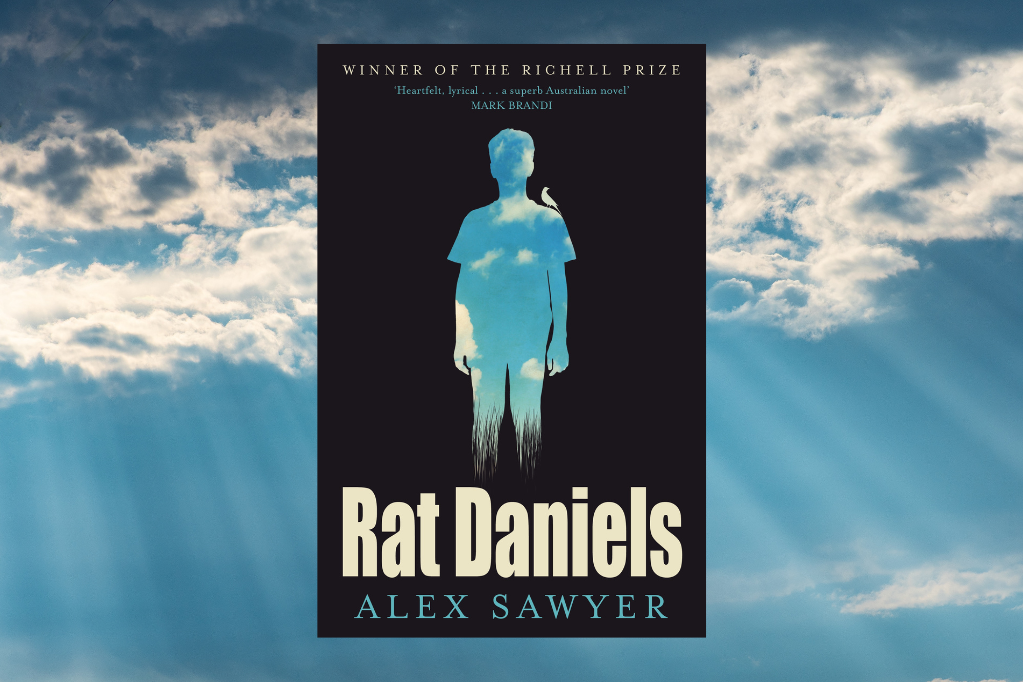
I came close to writing a hatchet job once, and I was confused by how popular the piece became online. Criticism should offer more than a cut-throat execution.
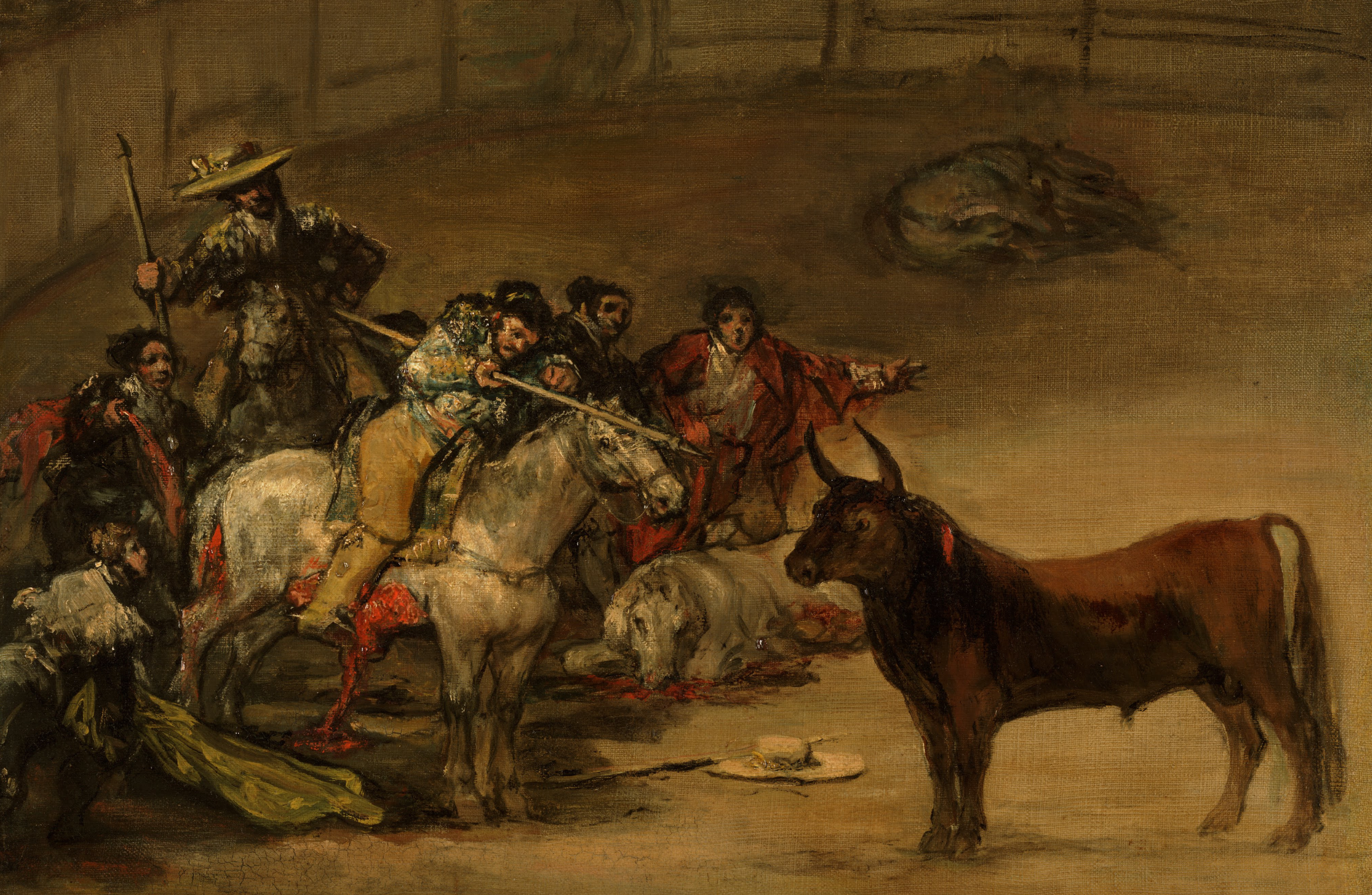


I don’t really believe in hatchet jobs. I mean this in two senses: on the one hand, I’m not interested in reading them; on the other, I’m not interested in writing them. I came close, once. But I remember being amused, confused and a little disturbed by how popular the piece became online. How could this punk little thing get so much attention? It’s impossible to know for certain how many readers a piece of work finds, but it felt like the writing that meant more to me, intellectually and emotionally, never received the same attention as the upstart child.
Still: even the most blanket, caricatured pan tends to reveal something. It’s not comfortable or maybe even discreet to admit, but when I search my mental Rolodex of the takedowns I’ve received—not many, though it’s still early days—I appreciated the fact the critic’s heart was in it. They cared. Their disagreement tended to pose interesting questions about how they felt or conceived of literature and what it might do. While some writers, critics and readers can be moralists (both open and closeted), I’m not interested so much in our moralities as their ambiguities.
Catriona Menzies-Pike writes, ‘Who wants criticism to be a round of Mortal Kombat? What a facile, depressing vision of public intellectualism.’ I don’t disagree. But I also start to wonder: what is public intellectualism? What if someone takes aesthetic or moral or intellectual pleasure in being facile, a smooth head-empty baby? What if someone dislikes the public or takes pleasure in transgressing communal mores?
I once wrote:
The expertly crafted hatchet job or negative critique encourages the reader to go and read the book. It achieves this more than any positive boilerplate could.
The key words here aren’t, I think, ‘negative’ or ‘positive’. They are ‘craft’ and ‘boilerplate’. How the writer executes things is what matters. Considered praise should feel as cutting, as incisive, as anything a hatchet might carve.
I remember being amused, confused and a little disturbed by how popular the piece became online.
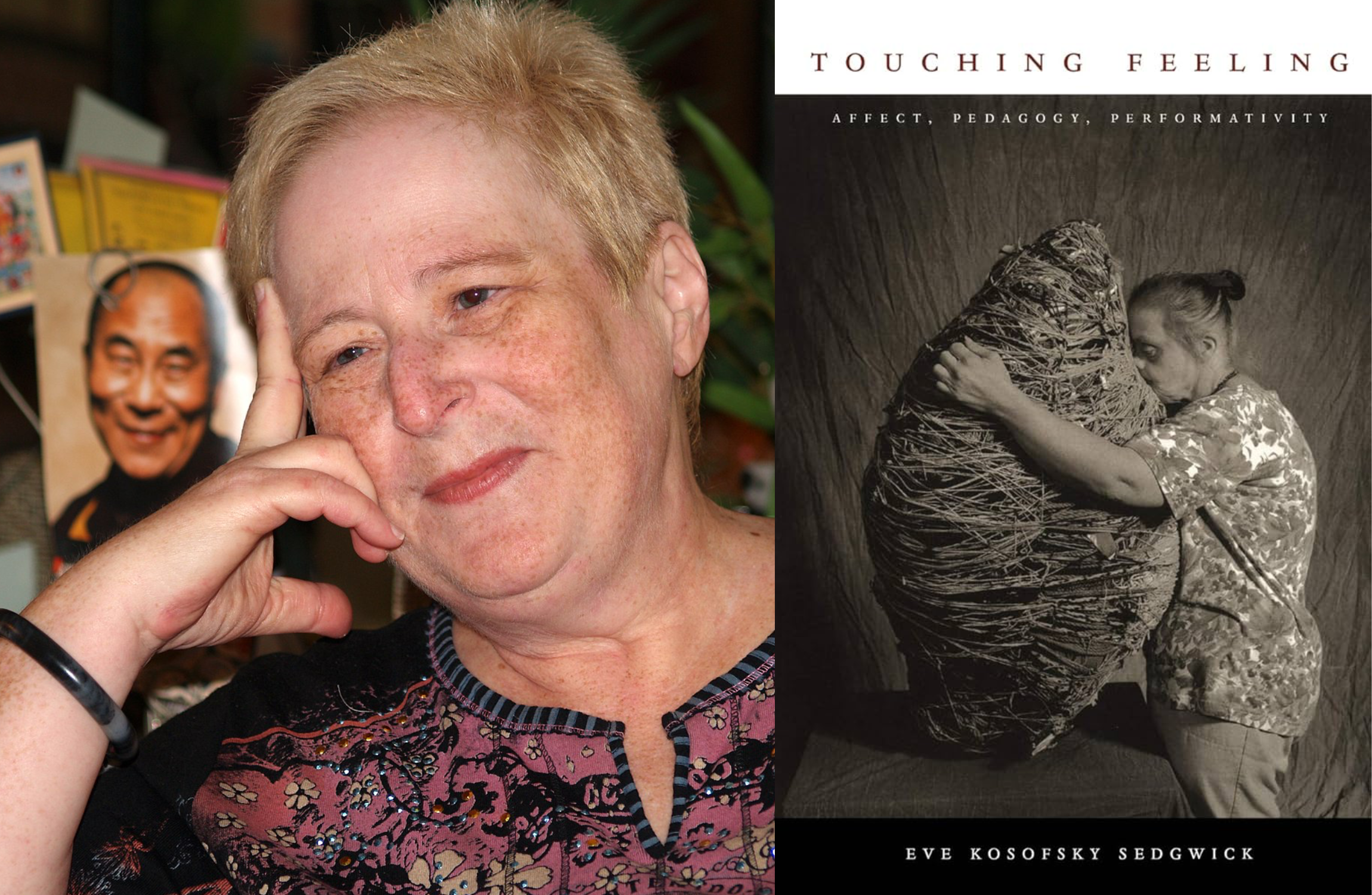
Eve Kosofsky Sedgwick explored ideas of paranoid and reparative reading during the mid-nineties. They were writing in the wake of the AIDS crisis and a cancer diagnosis, amid racist violence and economic and social precarity. They asked: Do those in power ignore environmental devastation? Of course! Are the lives of certain populations seen as cheap and expendable? Duh! Degradation felt familiar, routine. But even if those with authority really are out to get you, so what? At what point does this become simply a homily, a form of accepted wisdom that protects the critic from incorporating other ways of relating to the world?
Paranoid reading refers to the idea that suspicion is an inextricable part of sophisticated critical processes. One must always be ready to debunk and disprove, to refute and untangle: Reveal that hidden ideology! Uncover the unconscious processes secretly nestled in the work! We need to talk about X! Eventually, the only thing separating the philosopher from the paranoiac is a few letters. Sedgwick’s frustration is that bad things are happening—you, I and they all know it. How do you stop that knowledge from turning into cynicism or complacency? ‘Paranoia places its faith in exposure,’ she wrote. But what are the actual consequences, the where to from here?
Among the critics whose work has inspired me the most there is—I believe—a reparative impulse at work. Their criticism struggles with questions that must be negotiated whenever we respond to art. What do I do with this thing that troubles me, wounds me? they ask. How do I make sense of that feeling and formulate some idea of what is at stake?
Alison Whittaker’s review of The Colonial Fantasy by Sarah Maddison begins with a funny, vexed opening passage. Whittaker spends time reflecting on the book, wrestles with uncertainty, wonders how she should feel, where she can begin. ‘A gut feeling is not a review,’ she writes. ‘I’m uncomfortable. It’s an inadequate and juvenile thing to say about a book, more a vanity of the reader than anything else, but it’s where we start.’
Among the critics whose work has inspired me the most there is—I believe—a reparative impulse at work.
I’ve always appreciated Whittaker’s review for its vulnerability. For not only sitting with all that the work is trying to do—and perhaps failing to do or doing only partially—but for how she says wait and what about and why though. Whittaker says: We know ongoing settler-colonial structures are violent, harmful, unjust. But why identify well-known ills if you can’t stay with the trouble, formulate an ethics or ideology or remedy of some kind? I recall Whittaker’s image of Maddison’s book as a thing that has become lodged inside of her. She cannot help being in dialogue with it. The Spanish author Juan Goytisolo once said that ‘the important thing in a culture is to add’. It’s an approach to writing, to reading and criticism, that takes satisfaction in addition rather than subtraction. There’s no fun in pronouncing judgments from on high. (Okay, maybe there is a little.) But it’s limited. It’s isolating. Better to be in the thick of it.
Yoko Tawada and Kathy Acker are two critics who suggest, like Whittaker, that rather than seeking causation and culpability, catching a thief in the halls of good critical practice, one can see the balancing of contentions and contrary ideas as invitations.
A native Japanese speaker who writes in both German and Japanese, Tawada explores the idea of residing in the space between languages. In her 2003 essay collection Exophony, recently published in English for the first time, Tawada asks what it means to exist outside of one’s mother tongue. But she does not assume Japanese is her ‘truest’ or most ‘natural’ mode of expression. Instead, she asks us whether we can truly hear something using languages or ideas that are received and ready-made. In turn, the potential of a kind of Keatsian negative capability—the ability to see possibility in doubt, in mystery—prompts Tawada to ask: ‘How much creative stimulation can we draw from the state of not understanding at all or from the state of still understanding only a little?’
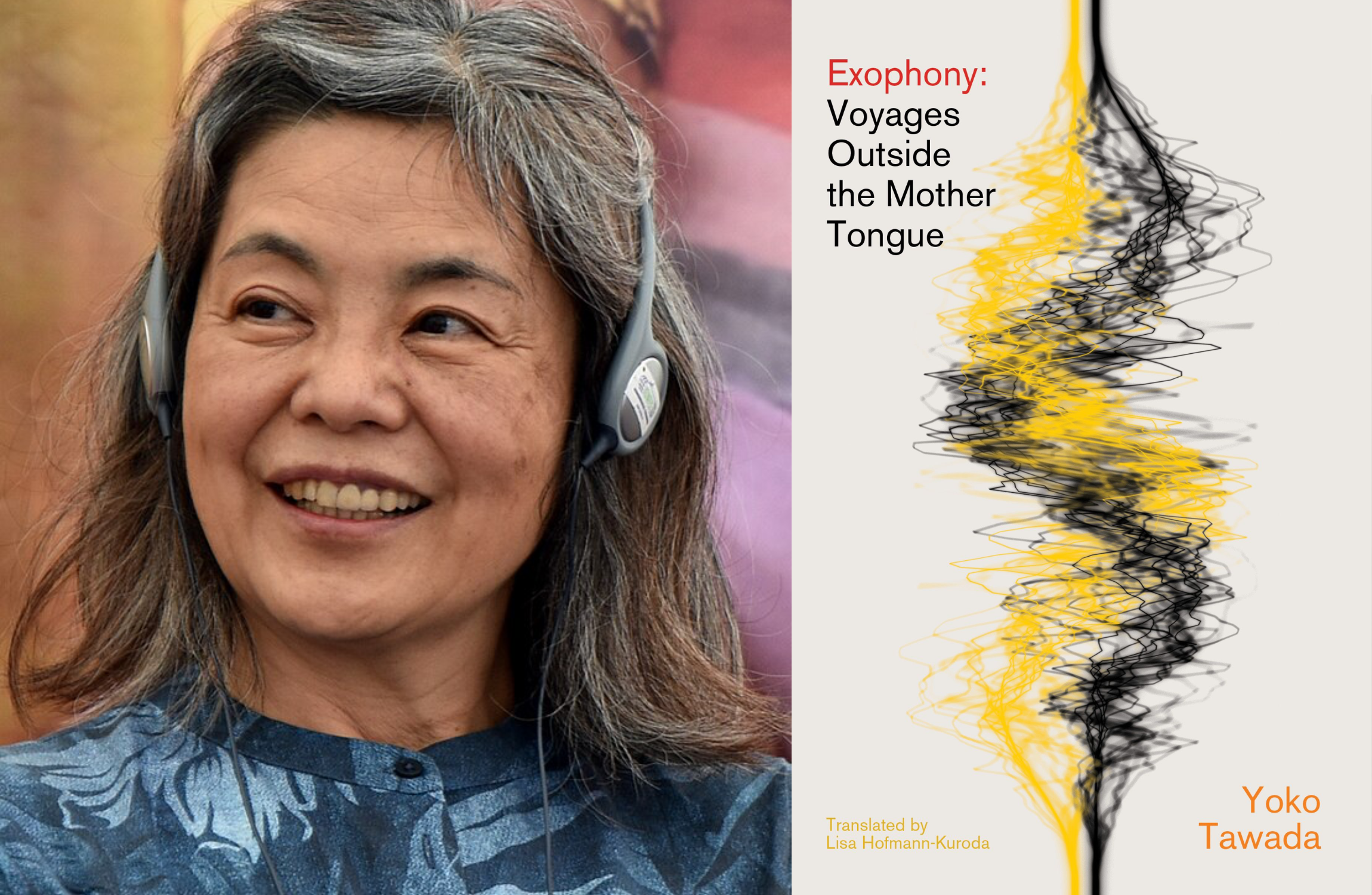
Locally, where there is so much talk of ‘listening’ to ‘voices’, it is bracing to see Tawada practice a mode of criticism that doesn’t presume in advance what her subjects have to say or want to say. To do so risks, I think, a kind of intellectual condescension. The need or temptation to dismiss or to castigate a work’s failures may be warranted, but it’s less interesting than involving yourself in them. Any successful piece of work has encountered its fair share of failure already. (See: the editing process.) Holding uncertainties, held by uncertainties, the languages Tawada seeks are not ones she wishes to command so much as to be changed by. A rock in your murru, to paraphrase Whittaker.
It is bracing to see Tawada practice a mode of criticism that doesn’t presume in advance what her subjects have to say.
Writing about the critic McKenzie Wark for Meanjin, I thought of Tawada’s engagement with German literature. She does not stand apart from this literature but participates in it, ‘becoming the fish’, using her ‘scales to feel out […] linguistic textures […] illuminating and being illuminated by all that [she] had read, thought, and heard’. In some sense, I too wanted to become a fish. I wanted to talk to Wark’s writing and to make that conversation present on the page. To invite Wark into my life and allow her to inhabit me. I listened to the music she listened to. I read the books she read. I tried to cite and offer references—as I often do when writing criticism—to honour different parts of her. To keep them alive.
A loss of critical primacy was also a source of freedom for Kathy Acker. Their one collection of criticism, Bodies of Work, is long out of print. The pink cover of my Serpent’s Tail edition, from a university library where many of the best books tend to go missing, is bone-white, faded by sunlight. Acker’s work made space for and gave shape to an impulse I recognised. She wrote ‘not in order to judge, but for and in […] the community of those who do not have a community.’ To say something more than the subject can say on its own behalf, inviting them to speak further or even to speak less. Acker encouraged me to consider viewing my subject ‘through the lens of supposedly unrelated subjects’. I don’t mean for anyone to feel excluded upon encountering a reference they do not recognise, but I do want them to have the opportunity for that encounter. Readers are a gloriously unknown community—why not bring them into contact and conversation with other writers and communities?
Perhaps what I am looking for is ongoing collaboration and connection. Think of it like this: Criticism is a dialogue. Like any conversation, it involves an element of mirroring, of reciprocity and hospitality. No matter what you write about or how you engage with it, criticism requires you to chaperone the experience and voice of another, not only into your life, but into those of others. ‘What else can communication be?’ Acker asked. I had my reply; she had hers: ‘All of me screams out: vision.’ Criticism is a map atop whose surface you draw new lines—cordoning off, redirecting, paraphrasing. You prompt the words to engage in a further conversation, to say something they might never otherwise have had the chance to say. What this map guides the reader toward is an invitation or pact you are trying to reach with the text every time you read it. It says, Come on, you’ve taken us this far, let’s keep going.
This kind of affective ideal for criticism may not always be possible. Perhaps a critic can’t easily adopt, like a fiction writer or a poet, a different persona or imaginative mask.
Criticism is a dialogue. Like any conversation, it involves an element of mirroring, of reciprocity and hospitality.
Yet criticism can and should strive for the imaginative license of different forms. (See my Memo Review piece concerning sound, horror and psychic violence for one such exploration, combining my experience with a number of works of art—in particular a 1982 German film about fandom that sees a young woman dismember and feast on her idol—with reflections on sound and the act of listening.) Sometimes all I want is a text that lets something I might ordinarily be afraid of saying through. To push the conversation forward in unexpected ways. That conveys a sense of joy and liberation.
So be confident. Offer that part of you that’s lively, searching, imaginatively capacious. Give us humour, chaos, scandal. Or not! It’s okay to have a secret third thing. To always be adding and adding again. Beyond everything we can reduce to ‘good’ or ‘bad’ lies a more interesting spectrum.
A pronouncement of love or hate, five stars or one: these are truisms you can’t really engage or argue with. Like a bad date, they talk about themselves and ask nothing about you. But the pleasure of criticism—and criticism is little without pleasure—is that, like the work under review, the judgment or its success isn’t half as interesting as the turns of thought taken to reach it. What I want is a writer, and a reader, who is committed. Who can put something at stake. Don’t you?